
Last updated November 15, 2026
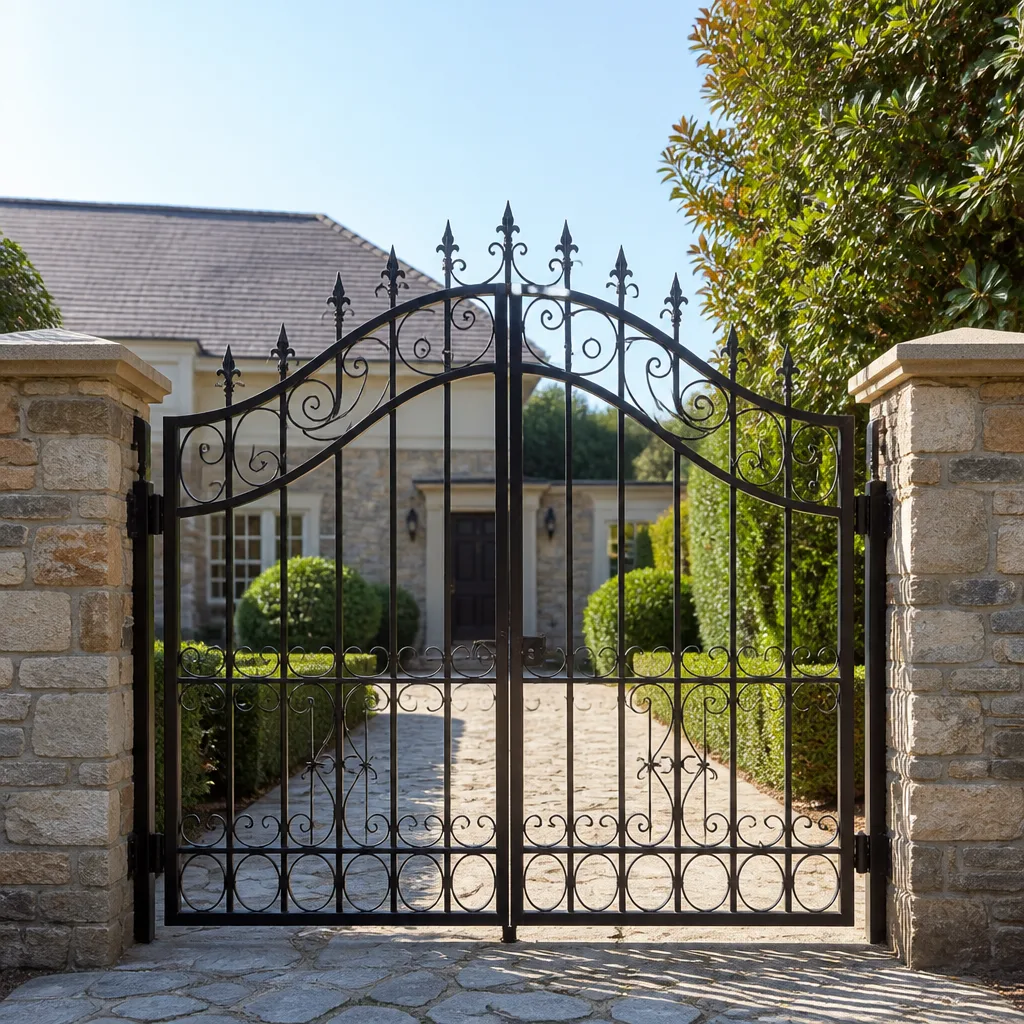 Wrought iron
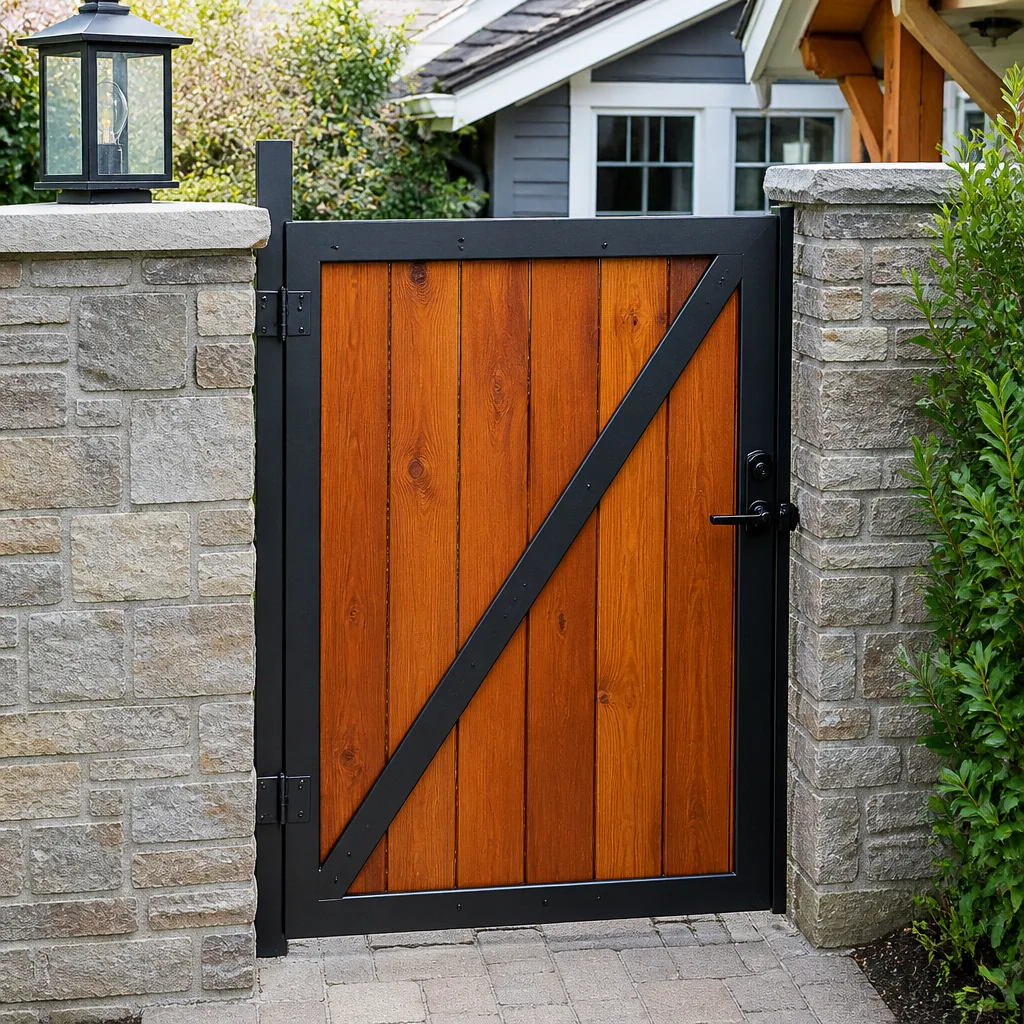 Wood & steel frame
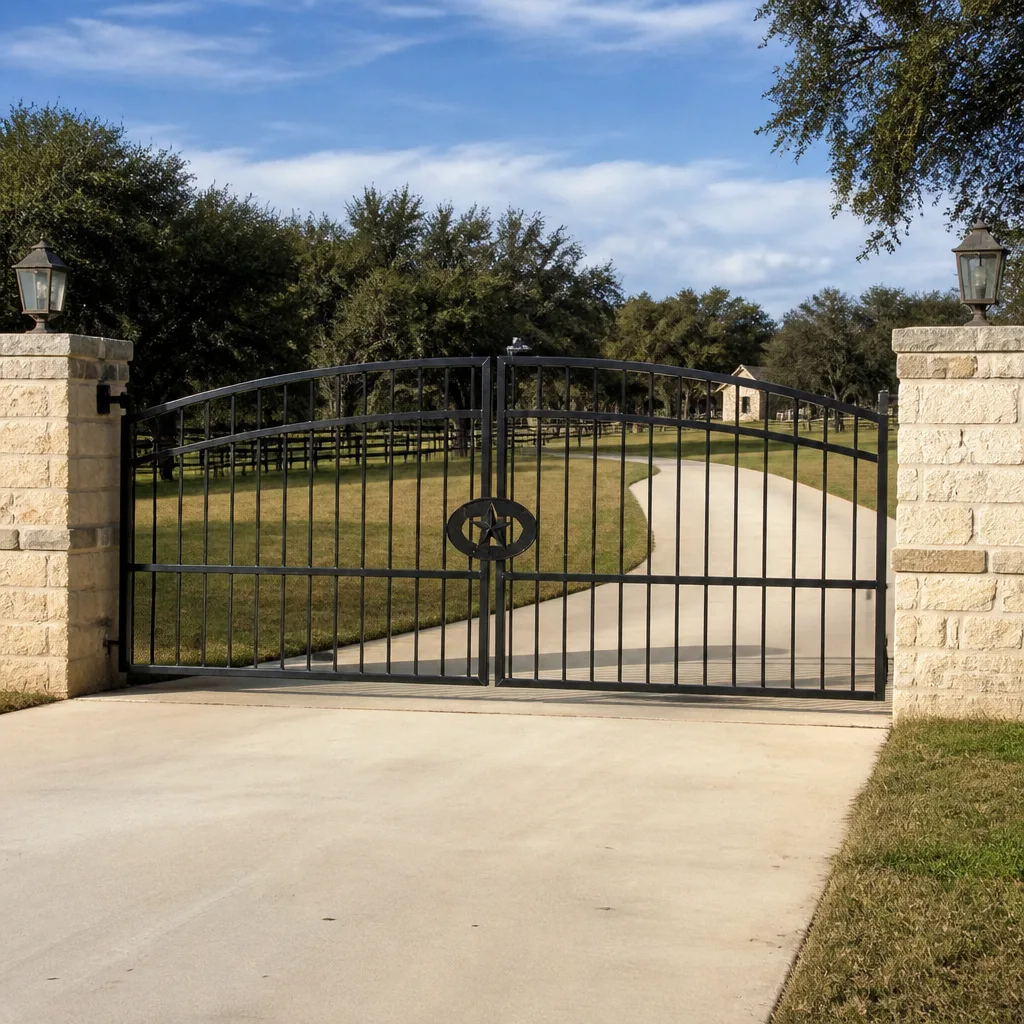 Farm & ranch
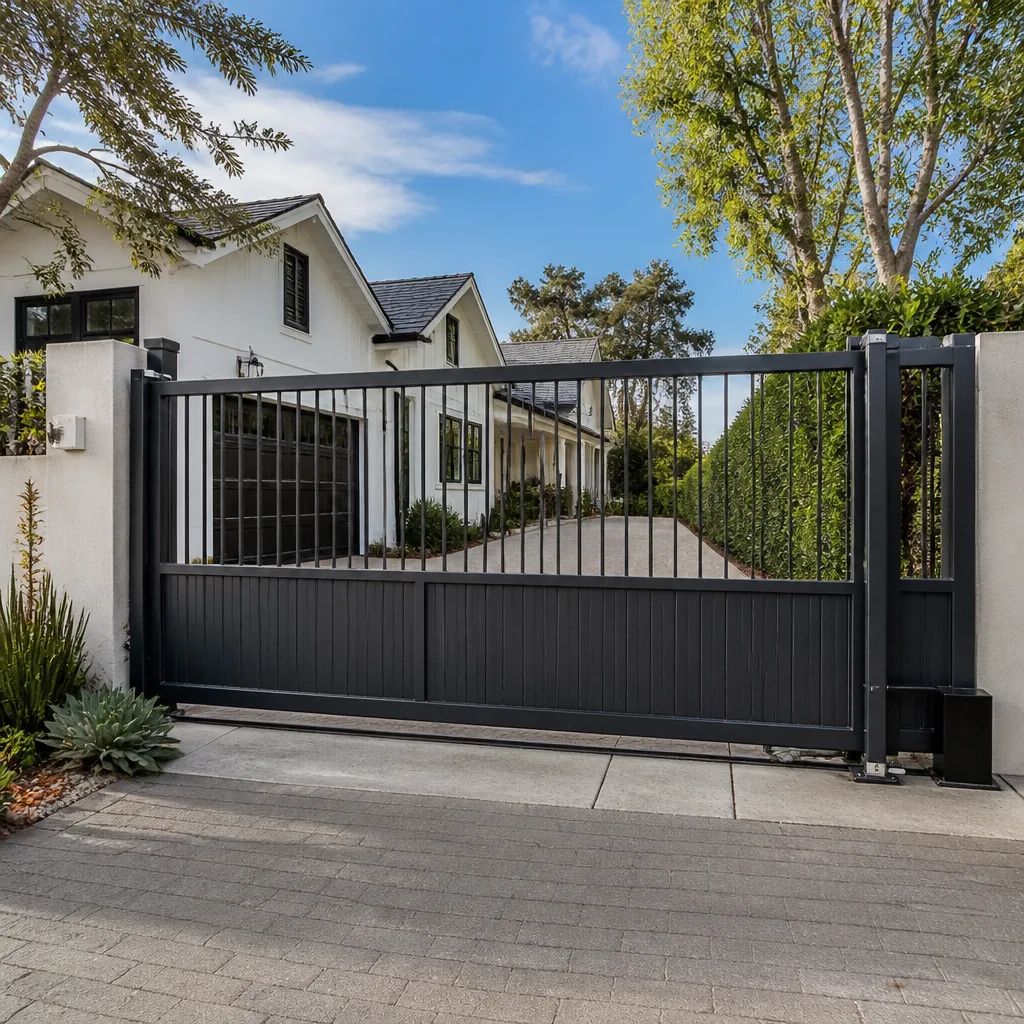 Sliding driveway gates
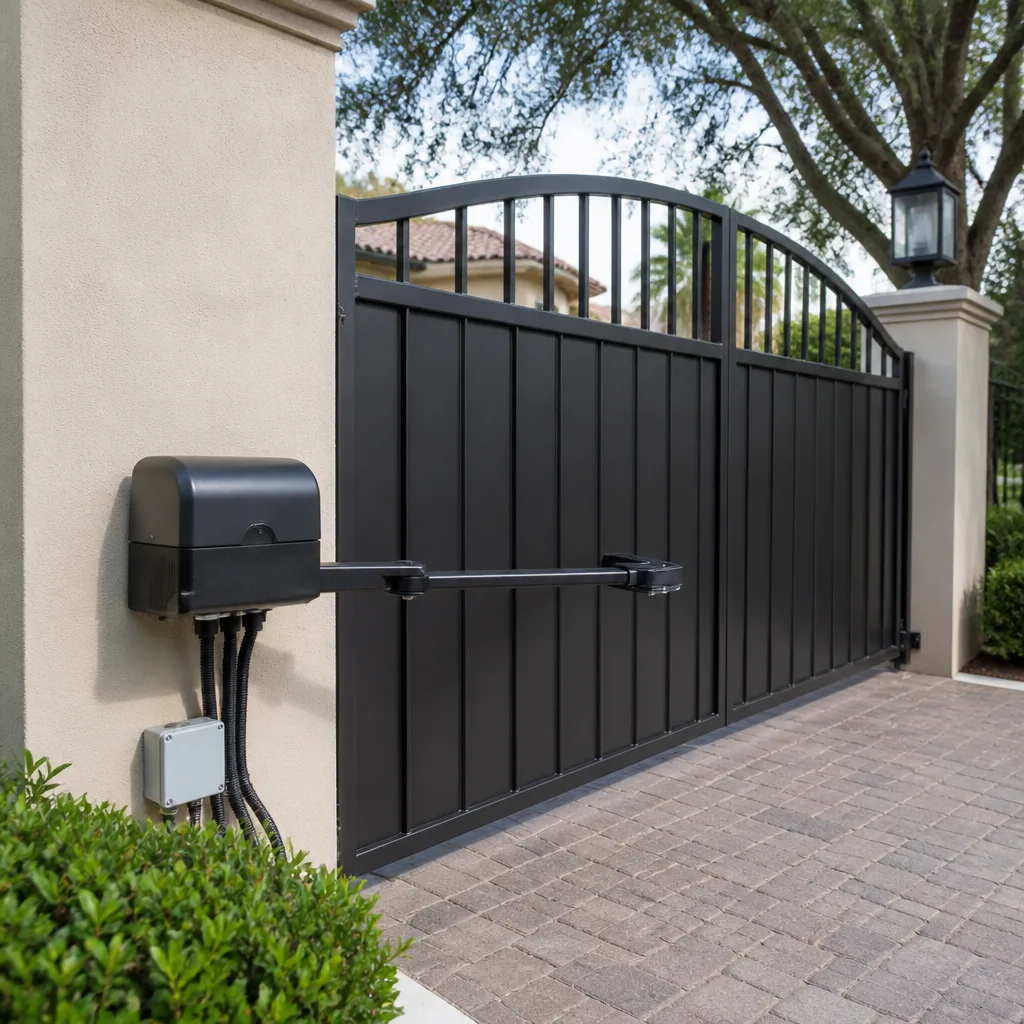 LiftMaster operators
Free on-site gate assessment - hinges, posts, and your LiftMaster or Nice gate operator checked before anything is quoted
The assessment is free and the quote is the invoice.
Get your free estimateChoosing the Right Gate Repair Brand: A Buyer’s Guide for Newport News
Most gate buyers start with the wrong question. They ask which brand is “best” when they should be asking which platform a qualified technician in Newport News can actually diagnose, get parts for, and bring back into reliable service. A LiftMaster residential operator and a commercial-grade FAAC unit will both swing your driveway gate open. But when a control board fails, what matters is whether the replacement is a local counter pickup or a two-week order from a factory. That gap decides whether your gate is down for an afternoon or a fortnight.
This guide cuts through brand marketing and evaluates gate operators the way a working specialist does: by duty cycle, corrosion resistance in our humid Hampton Roads climate, parts availability, and how cleanly each system talks to access control hardware. You’ll learn how to match an operator to your actual gate weight and daily traffic, where UL 325 entrapment protection sits as standard versus an add-on, and which brands pair well with DoorKing and similar access platforms without custom wiring headaches. By the end, you’ll know how to choose – and when to call in a technician who speaks nine operator brands fluently.
Quick Answer
There is no single “best” gate operator brand, and any seller who tells you otherwise is selling a shelf, not a solution. The right brand for a property in Newport News is the one that fits your gate’s weight and daily cycle count, offers entrapment protection as a standard feature rather than an expensive accessory, and has a local technician who recognizes the platform. For most residential driveways, LiftMaster and Linear are the practical defaults; for heavier or higher-traffic gates, FAAC, Viking, and DoorKing earn their place; and for a legacy system already on the property, the priority is whether a specialist can service it rather than which name is stamped on the housing.
Styles & brands we work with
- Wrought iron
- Wood & steel frame
- Farm & ranch
- Sliding driveway gates
- LiftMaster operators
Table of Contents
- Why Gate Operator Brand Choice Matters More Than Most Buyers Expect
- Head-to-Head: LiftMaster, FAAC, Viking, Linear, and DoorKing
- Matching the Operator to Your Gate’s Weight and Daily Cycles
- UL 325 Entrapment Protection: Standard vs. Add-On
- Corrosion Resistance in Newport News’s Climate
- Access Control and Ecosystem Compatibility
- A Step-by-Step Guide to Choosing Your Operator
- When Brand Support Beats Brand Prestige
Why Gate Operator Brand Choice Matters More Than Most Buyers Expect
The operator brand is not just a logo on a housing. It determines the motor, the gearbox, the control board, the limit switches, the safety sensors, and the entire ecosystem of replacement parts that a technician will need over the life of the gate. Get it right and repairs are routine. Get it wrong and every service call becomes a research project.
In our experience working throughout Newport News, the most common source of downtime isn’t mechanical failure. It’s a brand that the local service trade doesn’t carry parts for. When a homeowner’s operator goes down and the only vendor who stocks the replacement board is three states away, a two-hour repair turns into a two-week wait with the gate stuck open or shut. That’s not a small issue for a gated driveway, an HOA entrance, or a small commercial lot.
There’s a second, subtler cost. A brand with a limited service footprint often forces a homeowner to call a manufacturer-authorized dealer for even basic troubleshooting, and that dealer may be a generalist fence contractor who treats gate repair as a side job. A pure gate specialist who works across nine operator brands – LiftMaster, FAAC, BFT, Linear, Viking, Ghost Controls, DoorKing, Elite, and Mighty Mule – can walk onto a property, identify the platform, and diagnose the fault without guessing.
Newport News sits in the Hampton Roads region, which brings two local realities into play. The humid, warm-weather climate accelerates oxidation on exposed metal housings and wiring connections, so housing finish and component materials matter for longevity. And the housing mix – large master-planned neighborhoods, established subdivisions, and small commercial plazas – means the gate types vary widely from one address to the next. A swing gate on a residential driveway and a slide gate on a commercial entrance need very different operator choices, and the brand range has to cover both.
Head-to-Head: LiftMaster, FAAC, Viking, Linear, and DoorKing
Comparing gate operator brands on prestige is a waste of time. Comparing them on duty cycle, parts availability, and ecosystem fit tells you what you actually need to know. Here’s how the five most relevant brands break down for a Newport News buyer.
LiftMaster
LiftMaster is the most recognizable residential name in the category, and for good reason. The residential line is widely stocked, integrates with the MyQ ecosystem for app-based control and alerts, and covers both swing and slide gates. For a homeowner who wants a familiar platform with strong local parts availability, LiftMaster is a safe default. The tradeoff is that heavy commercial-duty use isn’t where the residential line shines, so match it to the duty cycle honestly.
FAAC
FAAC is a commercial-grade name with a deep swing arm and slide gate heritage. It’s engineered for heavier gates and higher cycle counts than typical residential hardware, and it’s a strong choice where gate weight or traffic volume climbs. FAAC’s controls are robust but more technical, which is exactly why a specialist who recognizes the platform matters – a generalist often avoids these systems.
Viking
Viking occupies a solid mid-ground: dependable swing and slide operators that hold up well on residential and light-commercial gates, with parts that are generally accessible to a technician who works the brand regularly. It’s an honest, hard-working platform that doesn’t command the premium price of commercial names but handles more abuse than the entry-level tier.
Linear
Linear is a workhorse residential and light-commercial brand with good parts availability and straightforward serviceability. For a driveway swing gate or a light-duty slide gate, Linear is a sensible, cost-conscious platform that a local technician can keep running for years. Its controls are uncomplicated, which reduces troubleshooting time on service calls.
DoorKing
DoorKing is where residential and commercial worlds meet. It’s a preferred platform for HOA entrances and small commercial properties, and its access control ecosystem – telephone entry, keypads, card readers – integrates cleanly with the operator without improvised wiring. If your property has an access control system, DoorKing often makes the cleanest pairing.
The short version: LiftMaster and Linear for most residential driveways, FAAC and Viking for heavier or higher-cycle gates, and DoorKing for controlled entry and HOA applications.
Matching the Operator to Your Gate’s Weight and Daily Cycles
The most common sizing mistake in gate installation is choosing an operator by brand or price instead of by the gate it has to move. An undersized operator on a heavy gate will fail early, and premature motor failure almost always traces back to a duty-cycle mismatch, not to the brand itself.
Duty cycle is the number of open-and-close cycles an operator is rated for over a given period, and it has to exceed your actual daily traffic. A single-family driveway might cycle a handful of times a day. An HOA entrance or a small commercial lot might cycle dozens of times a day. Those are completely different categories of hardware, and buying a residential-grade operator for commercial traffic is a recipe for repeated repair.
Weight matters just as much. A light ornamental swing gate and a heavy solid-panel slide gate demand different motor torque and different gearbox duty ratings. The operator’s rated gate weight capacity must comfortably exceed your gate’s actual weight, including hardware. When a system is pushed near its limit every day, heat builds, the motor works harder, and the service life shortens.
Here’s a practical sizing sequence:
- Measure the gate. Note the width, the material, and the approximate weight of the leaf or panel.
- Count the cycles. Estimate how many times per day the gate opens and closes on a typical busy day, not a typical quiet one.
- Classify the duty. Residential, light commercial, or commercial. This is the single biggest driver of operator choice.
- Match the rating. Choose an operator whose rated gate weight and duty cycle both exceed your numbers with margin.
- Confirm the ecosystem. Check that the operator you’ve chosen integrates with your access control hardware without custom workarounds.
In our experience, homeowners who start with weight and cycles – rather than with a brand name – consistently land on a system that lasts. When in doubt, round up to the next duty rating. Oversizing slightly costs less than replacing an undersized operator a year later.
UL 325 Entrapment Protection: Standard vs. Add-On
Automated gates are heavy, and entrapment protection is the safety layer that prevents a moving gate from injuring a person or animal. UL 325 is the safety standard that governs how automated gate operators must handle this, and it’s the standard that gate technicians and inspectors reference. If you’re comparing brands, how each one delivers that protection – as standard equipment or as an accessory you have to add – matters for both safety and cost.
The core entrapment protection components are familiar to anyone who works gates regularly: photoelectric sensors that detect an obstruction in the gate’s path, and edge sensors that trigger when the gate contacts an object. The operator’s control board has to support these devices, and the manufacturer designs the board to work with specific sensor types.
Some brands build entrapment protection compatibility into their standard control boards, so adding sensors is straightforward and the required inputs are already there. Others sell the sensors and the capable board as separate accessories, which can raise the total system cost and add a second installation step. When you compare brands, ask two questions directly: does the standard control board support required entrapment sensors, and what does the complete safety package add to the total cost?
There’s also an insurance angle. Many property insurers expect automated gates to meet recognized safety standards, and an operator with proper entrapment protection in place is easier to document. A gate technician who works multiple brands can tell you exactly what your operator supports and what needs to be added – and can install and test the sensors as part of the job.
A safety note worth stating plainly: entrapment protection devices and operator wiring involve live power and moving machinery. Adjusting sensors, wiring safety edges, or troubleshooting a control board is work for a trained technician, not a weekend project. If your gate lacks protection or the sensors aren’t functioning, that’s a call to make, not a fix to attempt alone.
Corrosion Resistance in Newport News’s Climate
Newport News’s warm and humid climate is hard on outdoor metal. Heat and moisture accelerate oxidation on housings, brackets, and electrical connections, and a gate operator lives outdoors year-round. That makes corrosion resistance a real selection criterion, not a marketing bullet point.
Three factors do most of the work:
- Housing finish. Powder-coated housings resist chipping and rust better than basic painted steel. The specification to look for is a durable powder coat over properly prepared metal, which holds up better in humid conditions.
- Component materials. Stainless steel hardware, brackets, and fasteners resist oxidation far better than standard steel. Where a brand offers stainless components for key parts, that’s worth the upgrade in a humid climate.
- Housing IP rating. The IP (ingress protection) rating describes how well the housing seals against dust and moisture. A higher IP rating means better protection against the moisture that drives corrosion and electrical faults.
In practice, the commercial-grade brands tend to spec heavier powder coat finishes and offer more stainless options than entry-level residential lines, but it’s not a clean rule. Ask directly about the housing finish and the fasteners before you commit. A technician who installs and services these systems can point to the specification detail that matters for your particular gate and exposure.
Corrosion isn’t just cosmetic. A rusted control board or corroded terminal is a common cause of intermittent faults, phantom openings, and dead operators. Choosing a housing and component set that stands up to humidity extends service life and reduces the frequency of electrical troubleshooting.
Access Control and Ecosystem Compatibility
If your gate connects to any kind of access control – a keypad, a card reader, telephone entry, or a smart-home hub – ecosystem compatibility is where brand choice gets concrete. Two operators that both open your gate can behave very differently once you ask them to talk to outside hardware.
The clean pairings tend to be known ones. DoorKing, as an access-control-first platform, integrates with its own telephone entry and keypad hardware naturally, which makes it a strong fit for HOA entrances and small commercial lots where controlled entry is the point. LiftMaster’s MyQ ecosystem gives residential homeowners app-based control, alerts, and smart-home integration without improvisation. When these brands are matched to the right access hardware, the wiring is standard and the service calls stay simple.
Proprietary systems create friction. If an operator uses a control board that expects only the manufacturer’s own accessories, integrating a third-party keypad or card reader often requires a workaround – extra relays, adapter boards, or custom wiring. Those workarounds are the kind of thing that fail unpredictably and confuse the next technician who opens the housing.
Before you commit to a brand, answer these questions:
- What access control hardware do you have now, or plan to add – keypad, card reader, telephone entry, or app control?
- Does the operator’s standard control board accept that hardware directly, or does it need adapters?
- Will future additions – an intercom, a vehicle loop detector, a second keypad – integrate cleanly?
- Can a local technician service the operator and the access hardware together?
Getting this right at selection time saves wiring workarounds later. A specialist who knows the access-control side of the trade will steer you toward an operator that plays well with the hardware you already own.
A Step-by-Step Guide to Choosing Your Operator
Here’s a practical selection path that puts the criteria that matter first and brand prestige last.
- Assess the gate itself. Identify the type – swing, slide, or barrier arm – and measure the leaf or panel width, material, and weight. This sets the floor for every later decision.
- Estimate daily cycles and duty class. Count opens and closes on a busy day and classify the duty as residential, light commercial, or commercial.
- Confirm entrapment protection needs. Decide which safety sensors are required for your installation and check whether your candidate operator supports them on the standard board.
- Check climate readiness. Look at housing finish, fasteners, and IP rating, all of which matter in Newport News’s humid summers.
- Map access control. List the hardware you have or want – keypad, card reader, intercom, app – and confirm the operator integrates without custom adapters.
- Confirm local service. A brand is only as good as the technician who can service it. Verify that a local gate specialist works your candidate brand and can get parts.
- Get a written estimate. Have a technician inspect the site, confirm the operator choice, and price the job in writing before any work starts.
Notice that brand selection lands near the middle of this list, not at the top. That’s deliberate. The brand follows the requirements, not the other way around. Once you’ve settled the gate weight, cycle count, safety needs, and access hardware, the shortlist of viable brands often picks itself.
When Brand Support Beats Brand Prestige
There’s a temptation to buy the premium brand and assume the rest sorts itself out. In practice, the thing that keeps a gate working for years is local support: a technician who recognizes the platform, stocks or can source the parts, and will show up when the operator faults out. That’s where a pure gate specialist beats a generalist, and where brand range beats brand loyalty.
A specialist who services nine major operator brands – LiftMaster, FAAC, BFT, Linear, Viking, Ghost Controls, DoorKing, Elite, and Mighty Mule – can work on virtually any manual or electric gate system a property already has. That breadth reduces downtime because there’s no need to hunt down a brand-specific dealer for a legacy or obscure system, and no “we don’t work on that brand” refusal.
For a property owner in Newport News, the practical takeaway is this: rather than shopping brands in isolation, find the technician first, then let their brand fluency inform your choice. When the same specialist installs the gate and services it afterward, accountability stays with one team. One call, the right tech.
Common Mistakes to Avoid
- Choosing by prestige instead of fit. A famous brand that doesn’t match your gate weight or duty cycle will underperform a lesser-known brand that does. Match the operator to the gate first, then to the name.
- Undersizing the duty cycle. Picking residential-grade hardware for an HOA or commercial entrance is the fastest route to premature motor failure. Count the real cycles and buy with margin.
- Treating entrapment protection as an afterthought. If you don’t confirm whether safety sensors are standard or an add-on, you can end up with an unsafe gate or an unexpected bill. Ask before you commit.
- Ignoring humidity in housing and fasteners. Newport News’s humid climate punishes basic steel and thin paint. Check the housing finish, fasteners, and IP rating before signing.
- Buying an operator that won’t talk to your access control. Custom wiring workarounds for third-party keypads and card readers fail unpredictably. Confirm integration up front.
- Hiring a generalist who treats gates as a side job. A fence or garage-door contractor who takes gate calls occasionally will struggle with a commercial-grade FAAC or a DoorKing access system. Choose a gate specialist.
- Skipping the written estimate. Any gate work should be quoted and agreed in writing before it starts, so the final invoice matches what you approved.
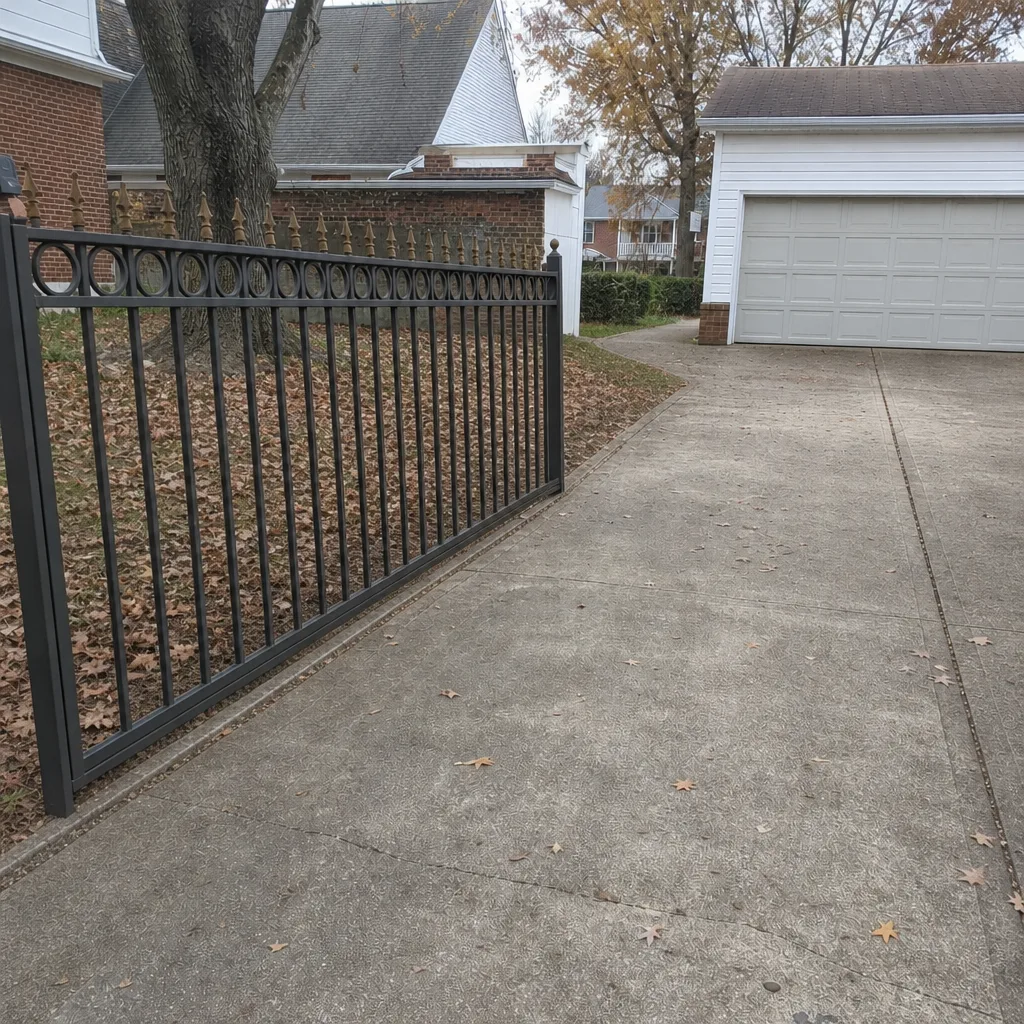
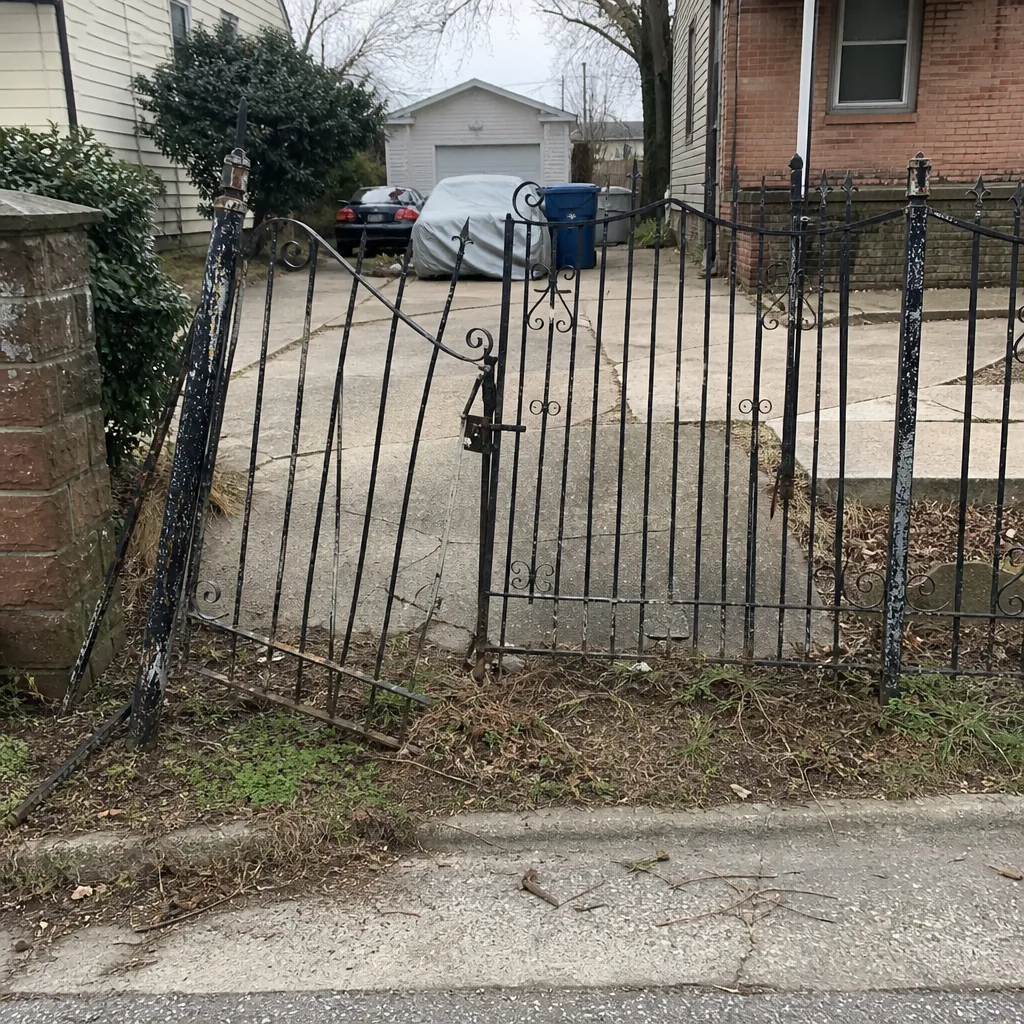
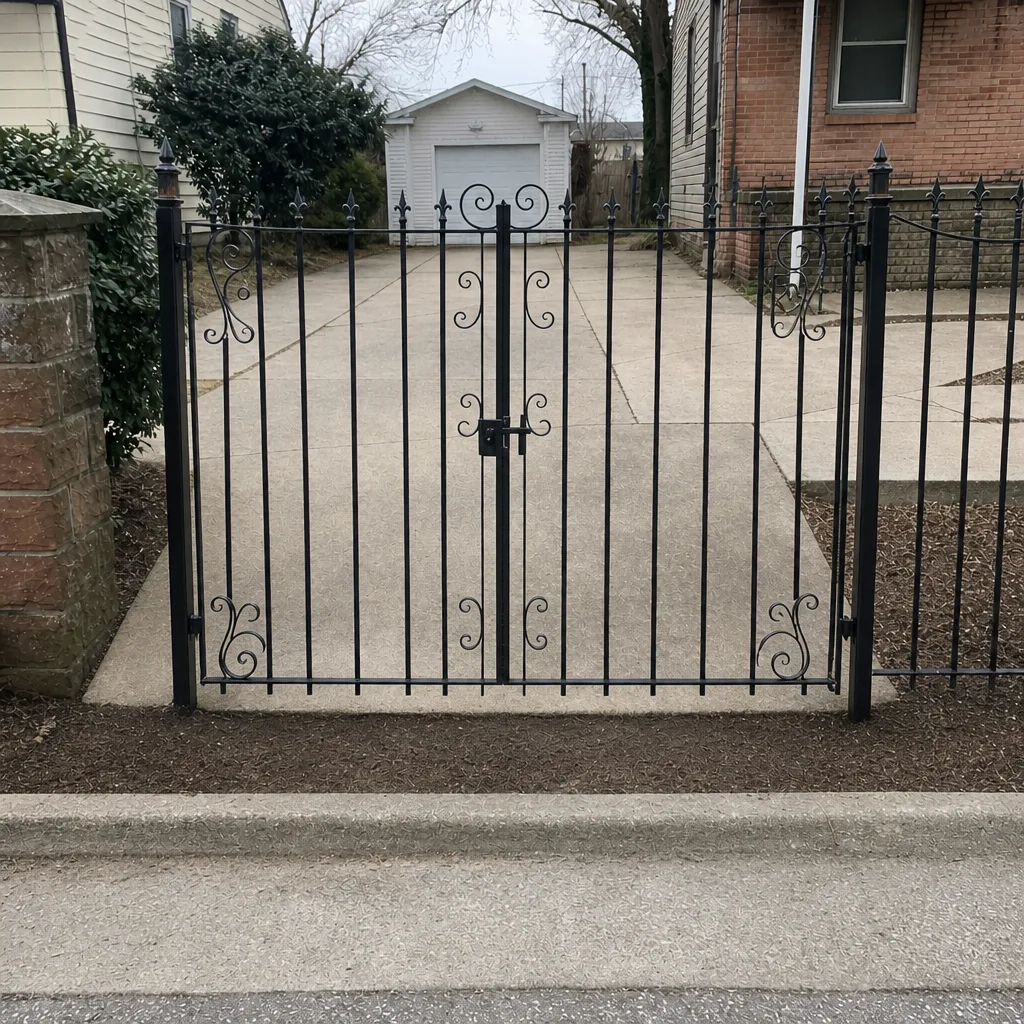
See the difference
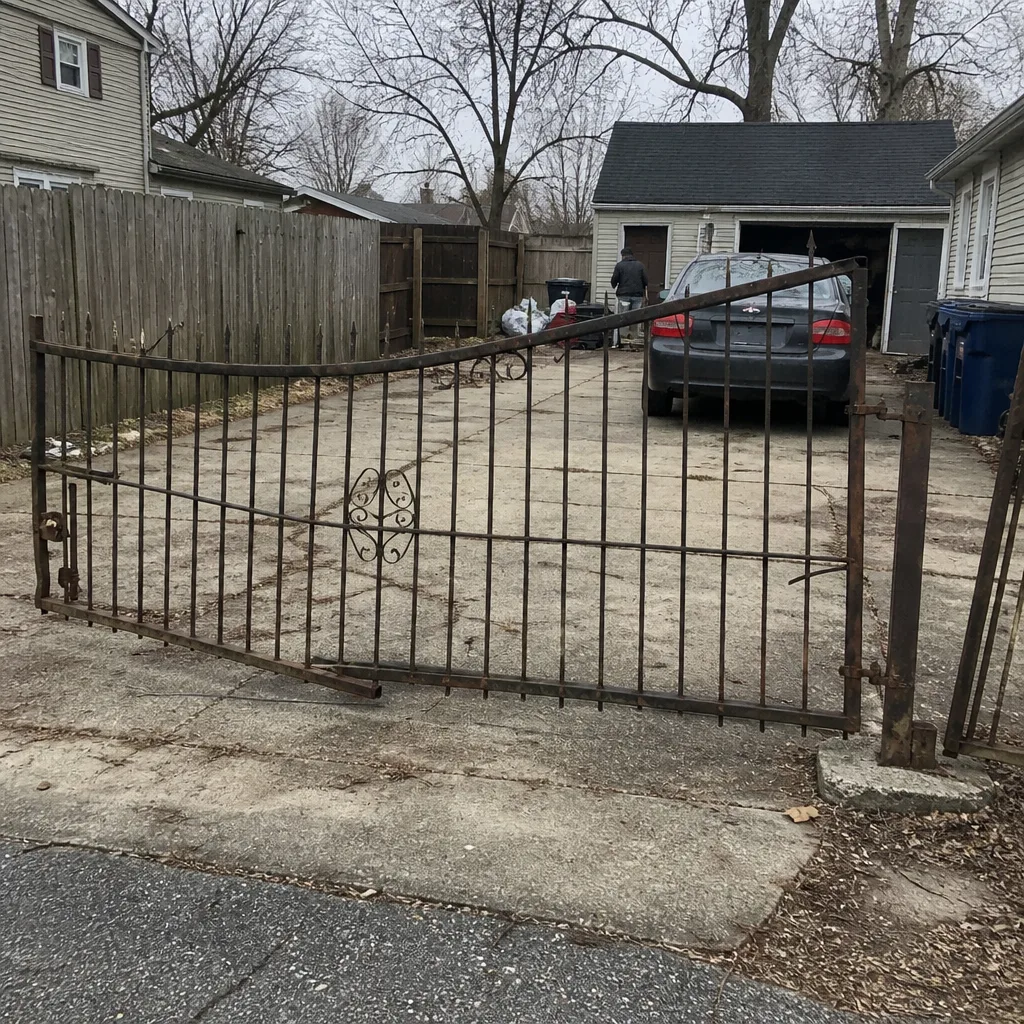 Before
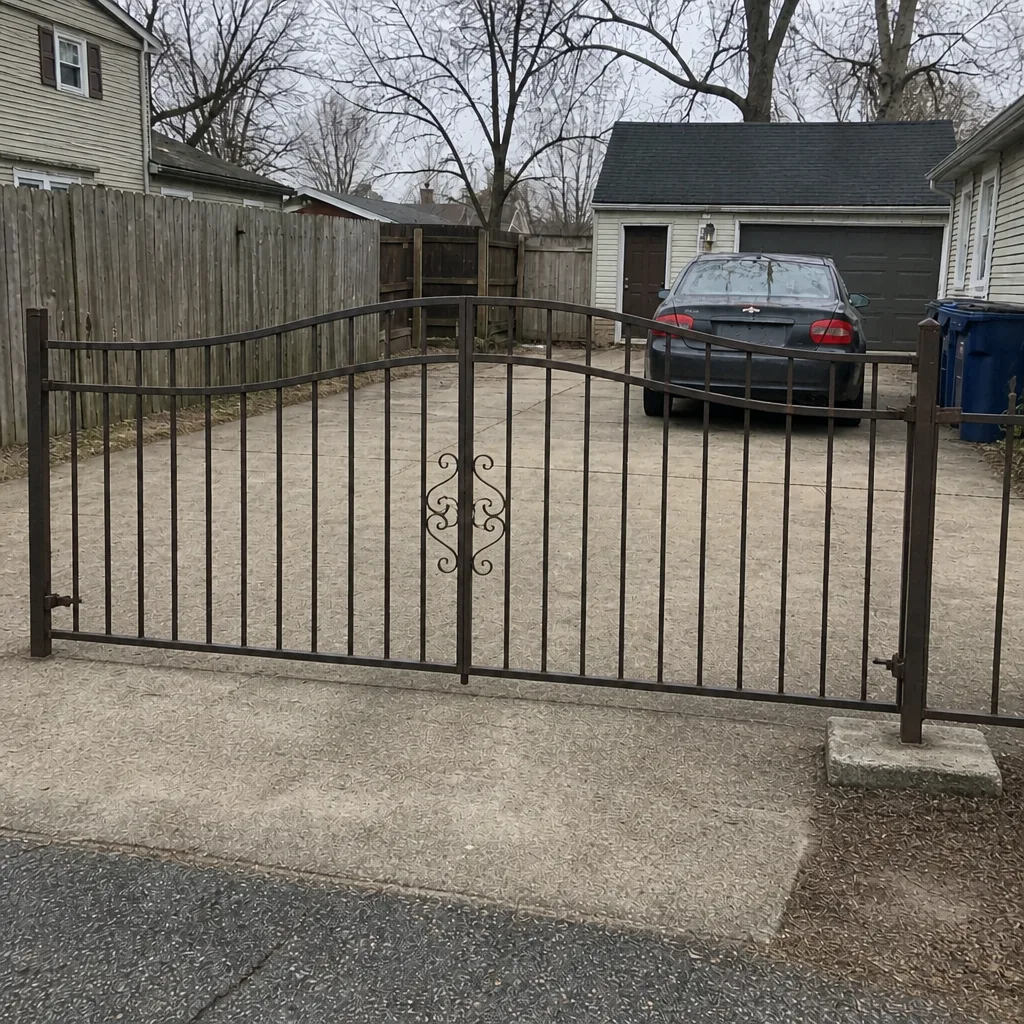 After
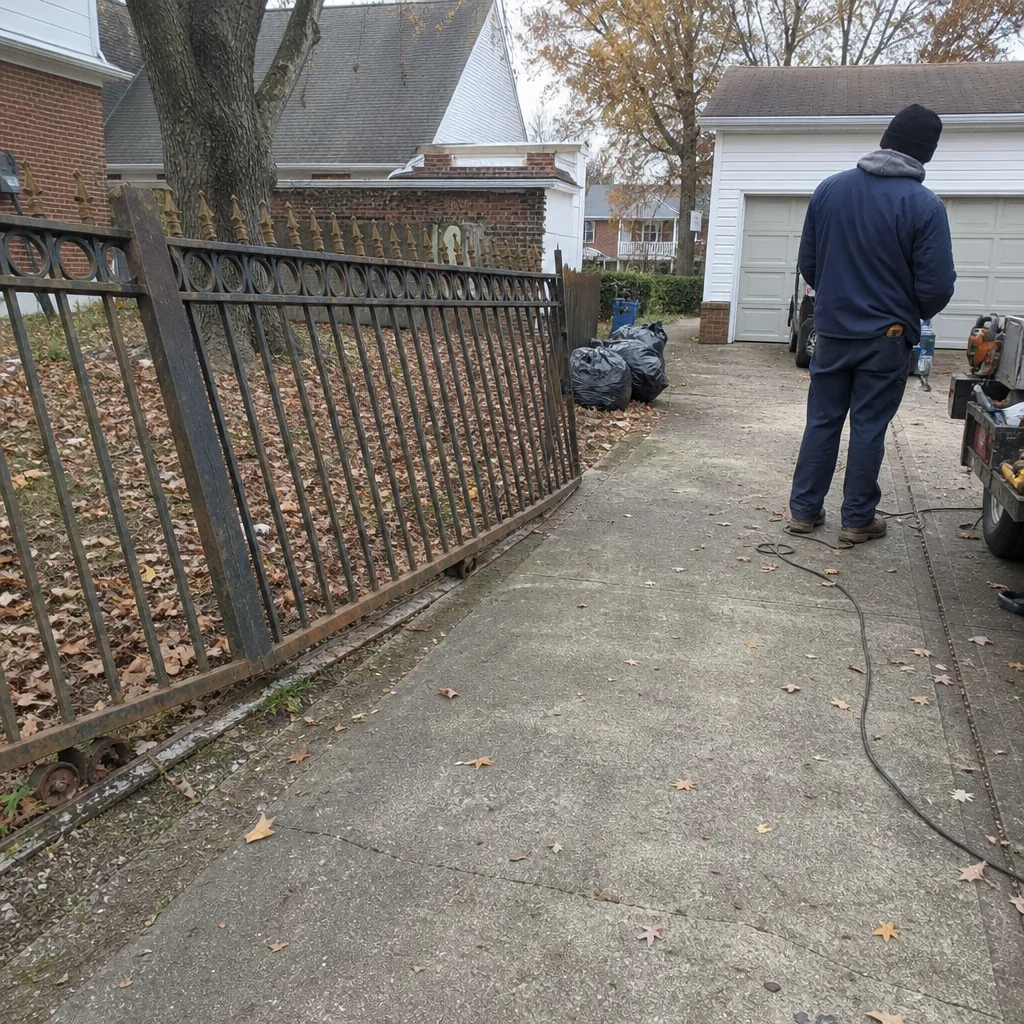 Before
 After
 Before
 After
When to Call a Professional
Some gate work is clearly a technician’s job. If the operator won’t respond to the remote, the gate reverses mid-travel without an obstruction, the control board shows fault codes you can’t interpret, or the safety sensors aren’t triggering, those are signs to call. Wires torn loose by wind, damaged loop detectors, a slide gate that has jumped its track, and entrapment sensors that won’t respond all point to professional service. The same goes for any work on the operator’s electrical supply – bringing power to an operator is a job for a trained technician, not a DIY task. If you’re weighing a brand choice for a new installation, a site visit is the right move before you buy.
Gate Repair Newport News offers free estimates in Newport News – call (866) 620-2654. We answer 24/7. Fast dispatch from 7am to 7pm, Sunday through Friday. Our technicians have up to 14 years of experience across LiftMaster, FAAC, BFT, Linear, Viking, Ghost Controls, DoorKing, Elite, and Mighty Mule, so whether you need gate repair, a new install, or help choosing a brand, we’ll point you to the right platform for your gate.
Frequently Asked Questions
For most residential driveways in Newport News, LiftMaster and Linear are the practical defaults because of strong local parts availability and straightforward serviceability. If your gate is heavy or cycles frequently, FAAC and Viking are stronger fits, and DoorKing makes sense when access control is the priority. The “best” brand is the one that matches your gate’s weight and duty cycle and that a local specialist can service. Call (866) 620-2654 for an exact recommendation – estimates are free.
Your operator’s duty cycle needs to exceed your gate’s actual daily open-and-close count, with margin. A single-family driveway might cycle a few times a day, while an HOA or small commercial entrance may cycle dozens of times. Count the cycles on a busy day and pick an operator rated above that number. A technician can confirm the right rating on-site. Call (866) 620-2654 to book a free estimate.
No – some brands build entrapment protection compatibility into the standard control board, while others sell the capable board and sensors as add-on accessories. UL 325 governs how automated operators handle entrapment safety, and the required sensors are the photoelectric and edge types that detect obstructions. Confirm what’s standard and what’s extra before you buy. Call (866) 620-2654 and we’ll explain exactly what your operator supports.
Corrosion resistance depends on housing finish, component materials, and IP rating more than on the brand name alone. Commercial-grade brands tend to spec heavier powder coats and offer more stainless components, which hold up better in humidity. Ask directly about the housing finish, fasteners, and IP rating before you commit. Call (866) 620-2654 to talk through the options for your gate.
Yes – we work on nine major operator brands, including LiftMaster, FAAC, BFT, Linear, Viking, Ghost Controls, DoorKing, Elite, and Mighty Mule, so a legacy system from a prior installer is usually no obstacle. That brand range means you don’t have to hunt down a brand-specific dealer for repair. Call (866) 620-2654 with the brand on your operator and we’ll confirm service.
It can, if the operator’s standard control board accepts your access hardware without adapters. DoorKing integrates naturally with its own access control ecosystem, and LiftMaster’s MyQ handles app-based residential control cleanly, but proprietary boards can force custom wiring workarounds with third-party hardware. Confirm compatibility before you buy. Call (866) 620-2654 for help matching operator and access control.
The Bottom Line
Choosing a gate operator brand isn’t a popularity contest. It’s a technical decision that turns on gate weight, daily cycle count, entrapment protection, corrosion resistance in Newport News’s humid climate, and integration with your access control hardware. LiftMaster and Linear serve most residential driveways; FAAC, Viking, and DoorKing shine on heavier or access-controlled gates. Above all, pick a brand that a local gate specialist can actually service, because local support keeps your gate running far better than a prestigious name with distant parts. When the same team installs and services your system, you get one call and the right tech.
Ready to choose with confidence? Call (866) 620-2654 for a free estimate on electric gate repair or a new install in Newport News. We answer 24/7. Fast dispatch from 7am to 7pm, Sunday through Friday. Whether you’re repairing a system you already own or starting fresh with Gate Repair Newport News, the price is quoted and agreed before any work starts, so you know the number before we begin.
Written by the team at Gate Repair Newport News.