
Last updated November 15, 2026
 Wrought iron
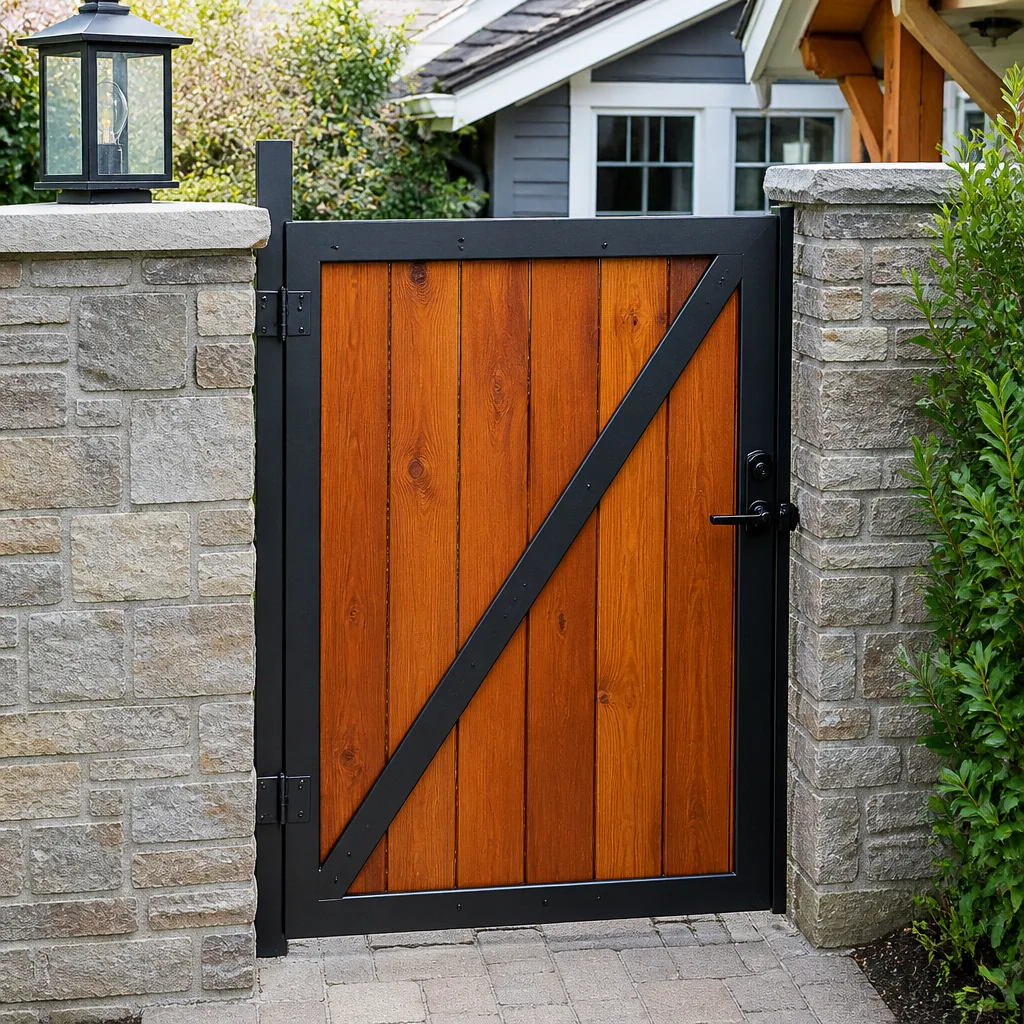 Wood & steel frame
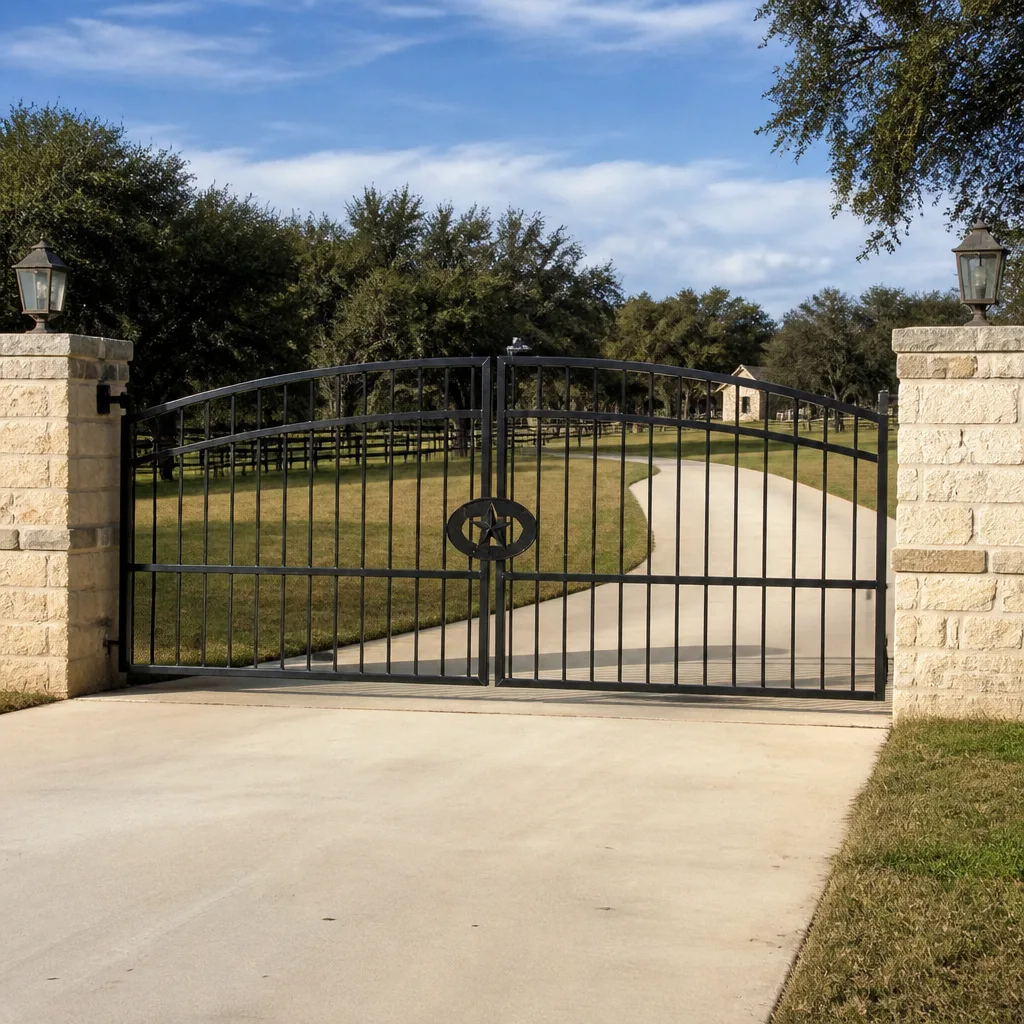 Farm & ranch
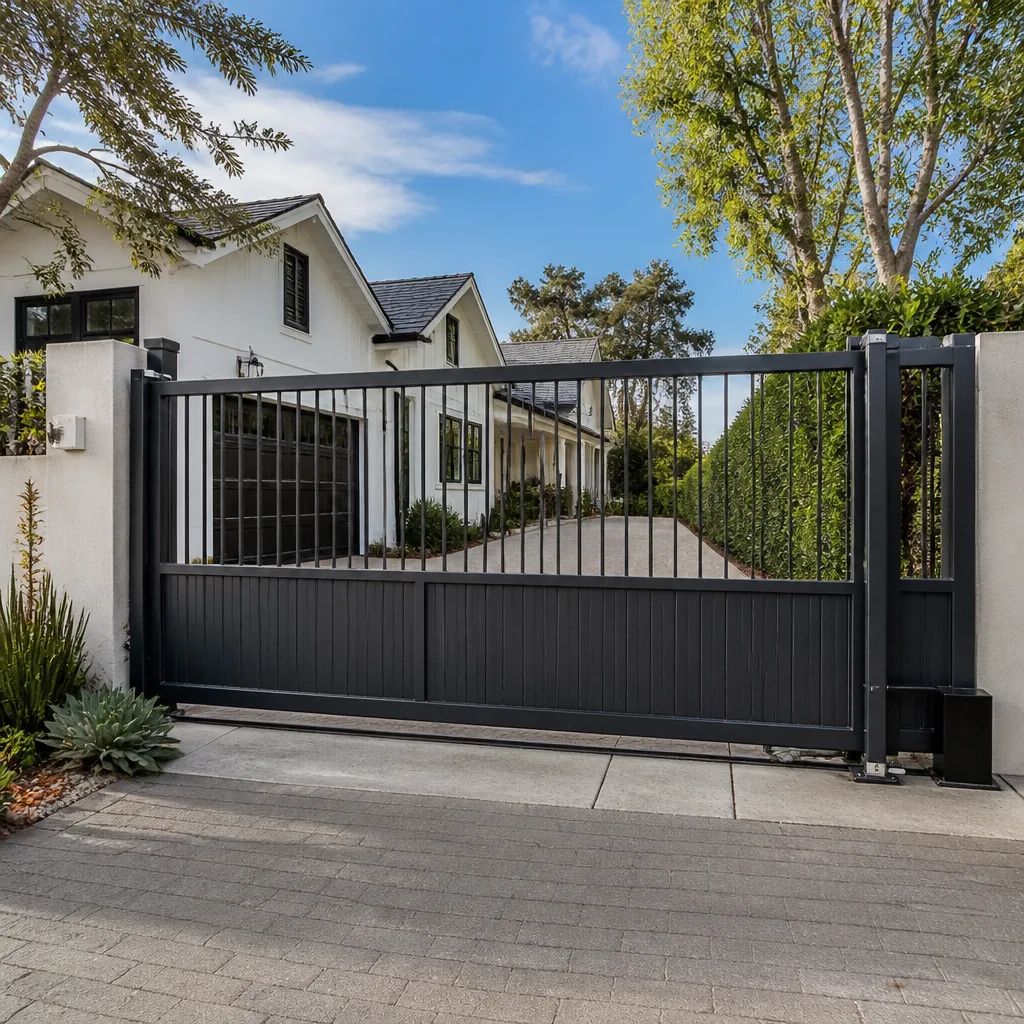 Sliding driveway gates
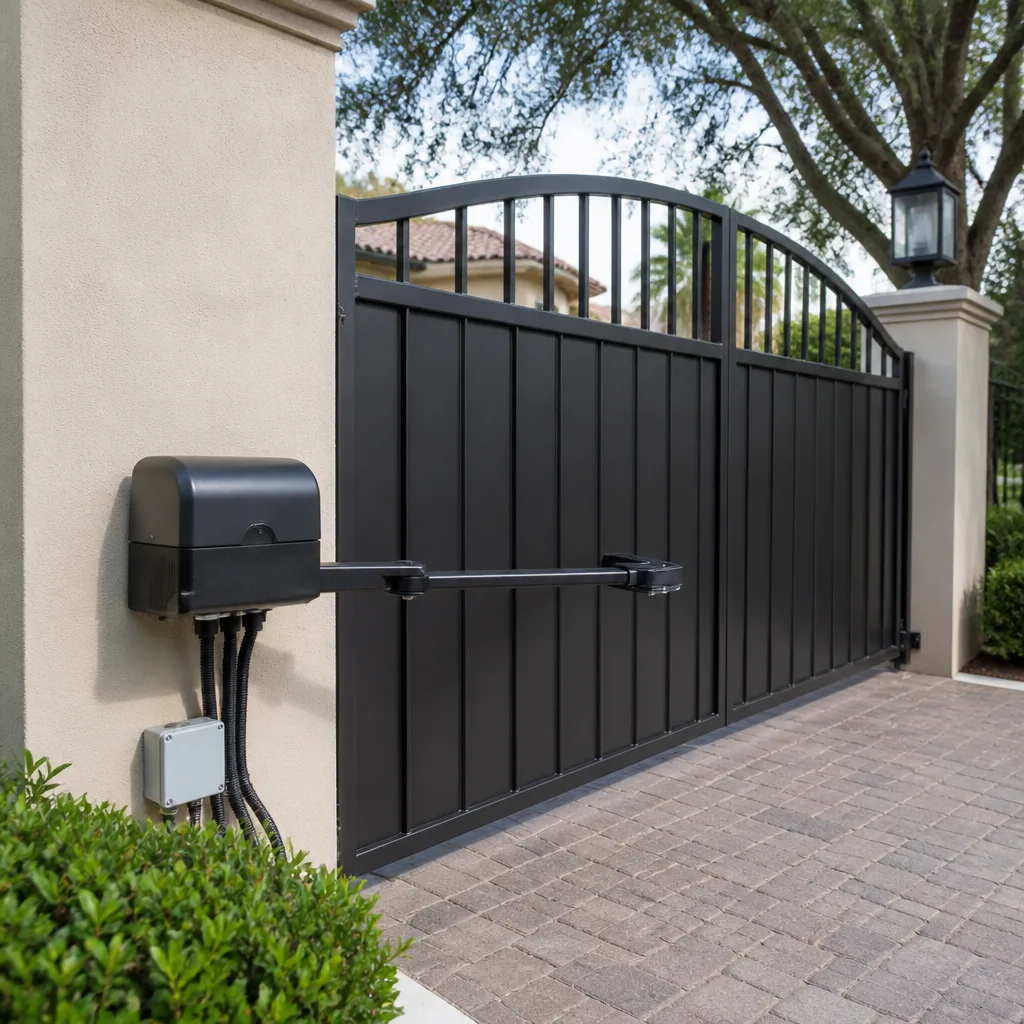 LiftMaster operators
Free on-site gate assessment - hinges, posts, and your LiftMaster or Nice gate operator checked before anything is quoted
The assessment is free and the quote is the invoice.
Get your free estimateHow to Hire a Gate Repair Contractor in Newport News: A Step-by-Step Guide
Ask your next gate repair quote-giver to name the default obstruction sensitivity setting on a LiftMaster CSW200 and watch the room go quiet. It’s not a trick question. It’s a baseline competency check, and most generalist contractors around Hampton Roads can’t answer it. The gate trade attracts fence crews, handymen and garage-door technicians who happen to own a voltage meter, and hiring one of them is the single biggest predictor of a second service call within six months. This guide gives you the exact questions and credential checks that separate a gate specialist from someone learning on your dime, so you can hire right the first time in Newport News.
Quick Answer
To hire a gate repair contractor in Newport News, verify three things before anyone touches your gate: that the contractor treats gates as a primary trade rather than a side job, that they can name the operator brand on your property and its common failure points, and that they give you a written, itemized estimate before any work starts. A true specialist will pass all three in the first conversation. A generalist will deflect, guess, or promise a warm body without knowing the system.
Styles & brands we work with
- Wrought iron
- Wood & steel frame
- Farm & ranch
- Sliding driveway gates
- LiftMaster operators
Table of Contents
- Why the Type of Contractor Matters More Than the Price
- What to Know About Virginia Contractor Licensing for Gate Work
- Five Technical Questions That Reveal Real Gate Expertise
- How to Read a Gate Repair Quote Line by Line
- Why a Specialist’s Higher Hourly Rate Often Costs Less Total
- Newport News Red Flags: Lead Times and Parts Sourcing
- Hiring for a New Gate Installation Instead of a Repair
- The Vetting Checklist Before You Sign Anything
Why the Type of Contractor Matters More Than the Price
Most gate repair calls in Newport News are answered by people whose main trade is something else. A fence company adds gate repair to its service list because gates look like fences. A garage-door technician takes the call because operators are operators, right? A handyman takes it because the job sounds small. Each of those is a shortcut around the real skill, which is diagnosing the interaction between a gate’s mechanical hardware and its control system.
A sliding gate that reverses for no obvious reason might have a bad safety edge, a dirty loop detector, a mis-set limit switch or a control board losing its logic. Each of those has a different fix and a different part. A contractor who doesn’t recognize the brand on sight is guessing through a process of elimination on your property, on your dime. A specialist recognizes the system, narrows the fault, and orders the right part the first time.
That’s why we don’t take roofing, fencing or garage-door work. Gates are the whole trade. One call, the right tech means the person who arrives already knows swing arm, slide gate and barrier arm systems from each other, and already knows the difference between a residential opener and a commercial-grade operator. When you’re comparing quote-givers in Newport News, the first question isn’t “how much” – it’s “what kind of contractor are you, really?”
What to Know About Virginia Contractor Licensing for Gate Work
Virginia licenses contractors through the Department of Professional and Occupational Regulation (DPOR). If a company advertises as a contractor doing work on your property, you can check its license status on the DPOR website before you hire. That check is your starting point. It doesn’t tell you whether the contractor understands gates, but it does filter out entirely unlicensed operators.
Virginia’s contractor classes are tied to the dollar value of the projects a company can take:
- Class A – the highest tier, allowing the largest single-project and annual volumes.
- Class B – a middle tier with lower project caps.
- Class C – the smallest tier, appropriate to smaller jobs.
Beyond the “is this person licensed” question, there’s the question of what the license actually covers. Gate repair touches both structural and electrical work. Mechanical repair of the gate frame, hinges, rollers and track sits comfortably in the contractor world. But low-voltage wiring for access control, loop detectors, safety edges and operator control boards edges into speciality territory that a standard fence or general contractor license isn’t designed to underwrite. When you interview a contractor, ask them directly: “Who on your team is responsible for the low-voltage wiring, and what’s their background?”
Permits for a new gate installation depend on the city. That’s a call to the Newport News building department, not something you should take a contractor’s word on. A specialist will know which permits typically apply and will tell you to confirm with the city. A generalist will hand-wave. For repair work on an existing gate, permits usually aren’t required, but electrical work should still be done by someone who knows what they’re touching. Ask, then verify.
Five Technical Questions That Reveal Real Gate Expertise
The interview is the cheapest part of the hiring process, and the only part you can do in five minutes flat. Ask these five questions and listen carefully to the answers.
- “What brand of operator do I have, and what’s its most common failure point?” A specialist who is fluent across LiftMaster, FAAC, BFT, Linear, Viking, Ghost Controls, DoorKing, Elite and Mighty Mule can name your operator on sight and tell you the first thing to check. A generalist will squint at the housing and offer to “Google it.”
- “How do you test a safety edge that’s failing intermittently?” The answer should reference how the edge signals the control board, not just “we’ll look at it.” Safety edges fail silently, so a real answer describes testing the wiring, the sensor itself and the board’s response.
- “When a slide gate reverses mid-travel, what are the three most likely causes?” A good answer names obstruction detection, limit switch position, and loop detector logic. A vague answer is “we’ll check the motor.”
- “Can you program or replace a loop detector?” This one catches generalists immediately. Loop detectors are one of the most common failure points on commercial and HOA gates, and they’re frequently ignored by anyone who doesn’t know they exist.
- “Which supplier do you use for DoorKing or FAAC parts locally?” If the contractor can’t name a source, they’re about to invent a lead time. See the Newport News red flags section below.
You don’t need to know the answers yourself. You need to hear confidence in the answer. A specialist will explain what they’re looking for and why. A generalist will pivot to “we’ll figure it out when we get there,” which in a gate context often means “after we’ve charged you for two visits.”
How to Read a Gate Repair Quote Line by Line
A quote that reads “Gate repair – $X” tells you nothing, and that’s the point. The line items are where you learn whether the price is honest and whether the contractor actually knows what’s wrong.
Parts that should be itemized
- Operator components – motor, gearbox, control board, limit switches, battery backup.
- Safety devices – safety edges, photo eyes, loop detectors.
- Access control parts – keypads, receivers, remotes, intercom, entry panels.
- Mechanical hardware – hinges, rollers, track, gate frames, latches.
If the quote lumps parts into a single number, ask for a breakdown before you agree. Unlabeled parts are how markups happen, and they also make it impossible to compare two quotes on the same job.
Labor rates that signal red flags
A specialist’s hourly rate is often higher than a generalist’s, and that’s normal. What you want to see is transparency: the labor rate, an estimate of hours, and a clear scope of what those hours cover. A quote that says “labor – flat fee” without a scope is a red flag. So is a quote that prices the job before anyone has diagnosed it. The written estimate is where the final price lives, so the estimate should always be based on an actual diagnosis, not a phone guess.
Warranty language that matters
Ask two questions about warranty: does the warranty cover the part, the labor, or both? And how long does it run? A warranty that only covers parts leaves you paying for the same technician to come back if the replacement fails, which is the case you most need covered. Get the answer in writing on the quote itself. If a contractor is cagey about warranty terms, treat that as information.
For a broader walk-through of what a typical repair actually involves, see our guide to gate repair.
Why a Specialist’s Higher Hourly Rate Often Costs Less Total
It’s the counterintuitive math most homeowners miss during the quote phase. A generalist charges less per hour and takes longer to diagnose. A specialist charges more per hour and correctly identifies the fault quickly, orders the right part, and finishes in one visit. The total cost is almost always lower with the specialist, because the total cost is labor hours plus the cost of wrong parts plus the cost of a second visit.
Imagine two quotes on the same failing slide gate operator. One is from a fence contractor priced at a lower rate. One is from a gate specialist priced higher. On paper they look competitive. In practice, the fence contractor diagnoses the symptom, replaces a part that isn’t the actual fault, and the gate fails again two weeks later. The specialist identifies the control board as the problem on day one, replaces it, and needs a follow-up only for the routine re-program.
The same logic applies to electrical work. When a control board is failing, someone with gate-specific experience knows which operator models share control systems and which quirks repeat across a brand. Someone without that experience is opening the housing to see what’s inside. In Newport News, where gates get plenty of use in residential communities and light-commercial lots, that difference shows up in how quickly the property gets back to normal.
If your system is an electric or automatic operator, the specialist’s advantage compounds. See our electric gate repair page for the specific components that get handled under that label.
Newport News Red Flags: Lead Times and Parts Sourcing
The single most revealing moment in a contractor interview is when you ask “where do you source parts for a DoorKing or FAAC operator?” The right answer names a real supply chain and gives you an honest expectation. The wrong answer is “we’ll have to order it, could be a few weeks.” What’s happening in that second scenario is that the contractor is about to disguise a sourcing problem as a straightforward order.
Here’s what’s specific to the Newport News market. The Hampton Roads area has trade supply houses, but specialty gate operator parts – control boards, receivers, loop detectors – are less universally stocked than standard fencing hardware. A contractor who services gates as a real trade maintains relationships with the suppliers who actually carry these parts and knows which ones can ship quickly. A generalist uses whatever generic supplier quote comes back first, and you pay the lead time.
Red flags specific to Newport News:
- “Could be a few weeks to source it” without a brand or part number. Long lead times disguised as routine ordering.
- Cannot name a single supplier for specialty brands. If DoorKing and FAAC parts sound equally mysterious, the contractor doesn’t work with them.
- “We can retrofit a generic opener.” Replacing a real operator with whatever’s on hand is how a repair turns into a second repair.
- No familiarity with the brand on your property. Your gate operator’s brand matters. A Mighty Mule swing arm and a LiftMaster slide gate operator have almost nothing in common beyond being electric.
- “We’ll pick it up from the big box store.” The big box doesn’t stock real gate operator control components, so this is a sign the contractor is about to substitute or improvise.
If you hear the long-lead-time excuse, ask for the part number and the supplier name on the quote. A real specialist can supply both. A generalist can’t, because they haven’t identified the part yet.
Hiring for a New Gate Installation Instead of a Repair
If you’re hiring for a new gate instead of a repair, the vetting criteria change. You’re not diagnosing a fault – you’re evaluating a design and build partner. That means asking different questions.
- Who surveys the site and what do they measure? A new gate depends on post placement, footing depth, clearance to the drive, and what direction the gate swings or slides. A specialist walks the property and measures, rather than quoting from photos.
- Which operator brands do you recommend, and why? The answer should reflect the gate’s weight, the traffic it sees, and whether it’s a residential driveway or light-commercial entry. A good answer is specific. A bad answer is “whatever’s in stock.”
- How will the electrical run work? Low-voltage wiring to the operator, access control, loops in the drive and safety edges is the part of a new installation that decides whether the gate behaves for years. Ask who handles it and what their background is.
- What does the written estimate include and exclude? Removal of an old gate, concrete work for posts, electrical trenching, the operator, the access controls, the safety devices, and permits should each be listed or explicitly excluded.
- What’s the warranty, and what does it cover? Ask separately about the gate structure, the operator, the access controls, and the labor to install them.
One of the practical advantages of hiring a specialist for installation is accountability. A specialist installs it and services it, so the person who diagnoses your gate three years from now is trained on the same systems the installer spec’d. When a generalist installs, you’re often looking for a second contractor the first time something goes wrong. Browse what a proper installation looks like in Newport News to see the range of residential and light-commercial systems we handle.
The Vetting Checklist Before You Sign Anything
Before you sign a quote in Newport News, run through this list. It takes about ten minutes and it filters out most of the contractors who will cost you more than they save.
- Checked the contractor’s license status on the Virginia DPOR site. Confirm the company name matches the license, and the license tier is appropriate.
- Asked which type of contractor they are, specifically. If gates aren’t their primary trade, they’ll tell you – or dodge the question.
- Received an on-site diagnosis, not a phone quote. A gate repair quote should be based on what the technician saw.
- Got a written, itemized estimate. Parts, labor, labor hours/scope, warranty terms, and any exclusions should all be on the page.
- Confirmed the price is agreed before work starts. Verbal estimates and “we’ll work it out” quotes are how invoices grow.
- Asked who does the low-voltage wiring. The answer should be a named background, not “one of our guys.”
- Named supplier or part number for specialty parts. If they can’t supply one, that’s a long lead time dressed up as a repair.
- Reviewed warranty terms in writing. Parts, labor, and duration, not a verbal promise.
- Asked about existing operator brand familiarity. If they can’t name your brand’s failure point, keep looking.
- Confirmed the electrical safety elements are on the quote. Safety edges, loops and photo eyes are not optional on an electric gate.
A specialist can answer every item on this list without checking. A generalist needs a few of them explained. That gap is the entire hiring decision.
Common Mistakes to Avoid
- Hiring a fence company because the gate is made of metal or wood. The gate hardware is where a fence contractor’s expertise stops. The operator and controls are where they start guessing, and that’s where the return visit lives.
- Accepting a phone quote. A gate repair can’t be priced before someone has watched it move, cycled it a few times, and put a meter on the controls. Anyone quoting sight-unseen is either guessing or lowballing.
- Comparing only the hourly rate. Two quotes at different rates are only comparable if the labor hours, parts and follow-up visits are all accounted for. A specialist’s higher rate is usually cheaper on total job cost.
- Assuming “it’s low voltage so it’s safe to DIY.” Electric gate operators have dangerous moving components and high-tension force at the gate edge. The wiring is low voltage, but the operator’s motor, the safety edges and the physical gate itself are not a beginner’s project. This is genuinely a call-a-professional category.
- Skipping the DPOR check because the contractor seemed knowledgeable. Knowledgeable and licensed are two different things. The DPOR check takes two minutes and it’s the only way to confirm the license status, which protects you if something goes wrong.
- Accepting a long lead-time excuse without a part number. This is where a generalist converts a sourcing problem into a “we’re still waiting on parts” update. Ask for the part number and supplier name in writing.
- Hiring on a quote that doesn’t list safety devices. Safety edges and loop detectors are what keep an electric gate from closing on a person or a car. A quote that leaves them out is either incomplete or planning to skip them.
Newport News is a busy city with plenty of properties running gates – residential driveways, HOA entries, small-commercial lots – and the generalist contractors count on customers not knowing the difference. These mistakes are the most common way a gate repair turns into a gate re-repair.
See the difference
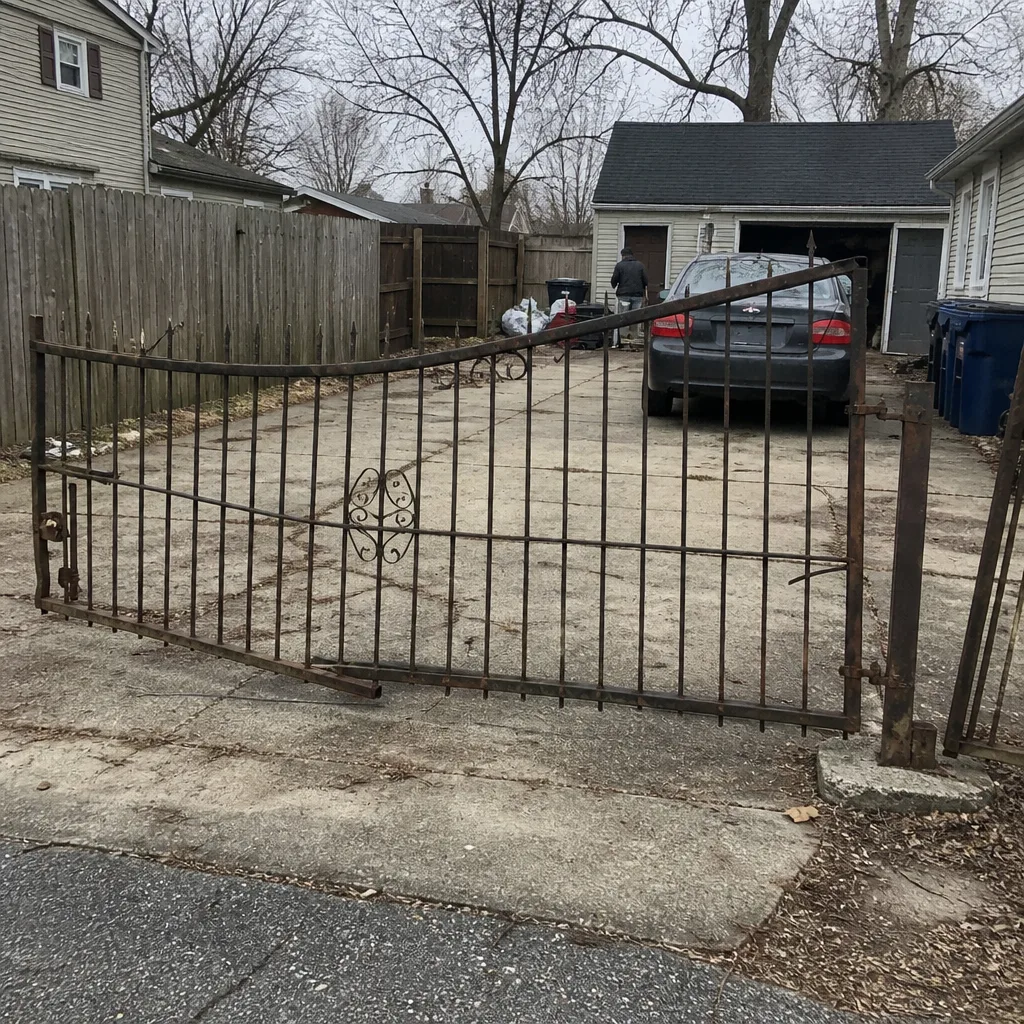 Before
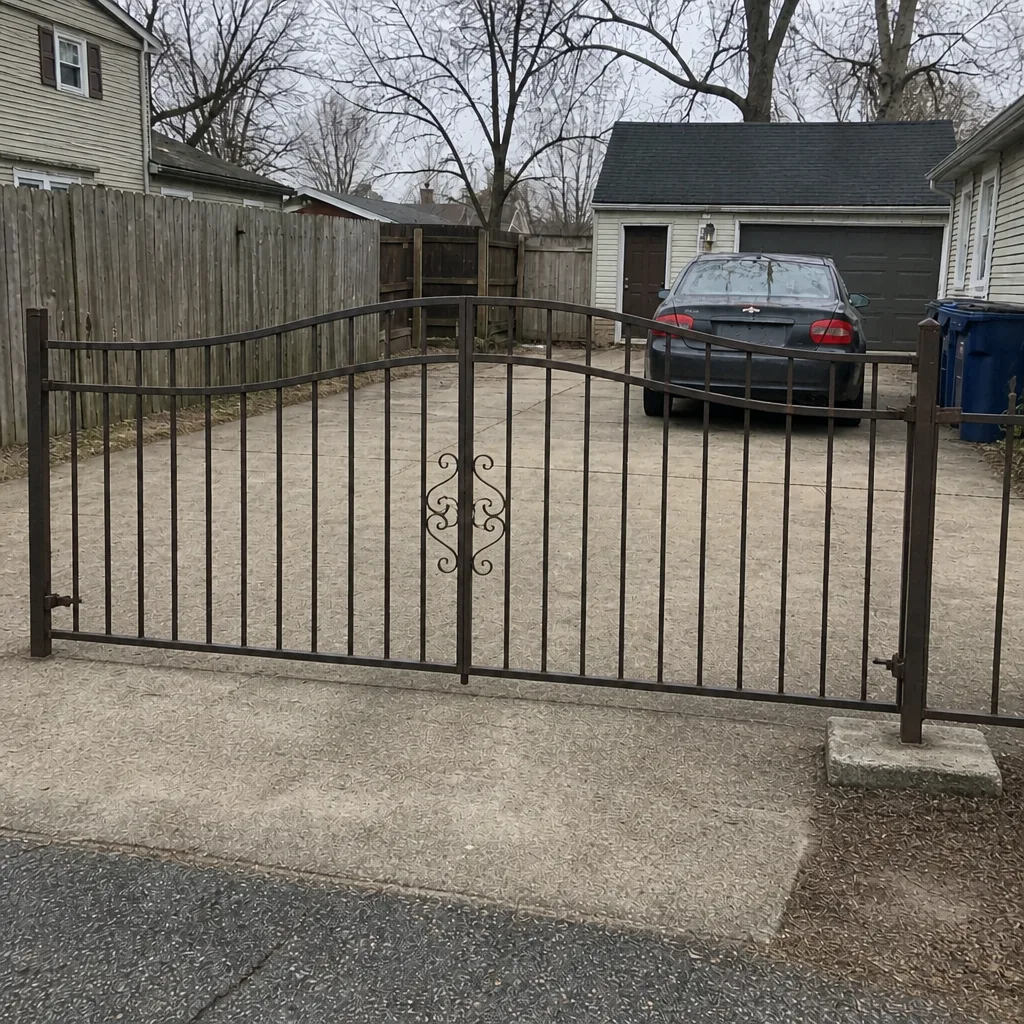 After
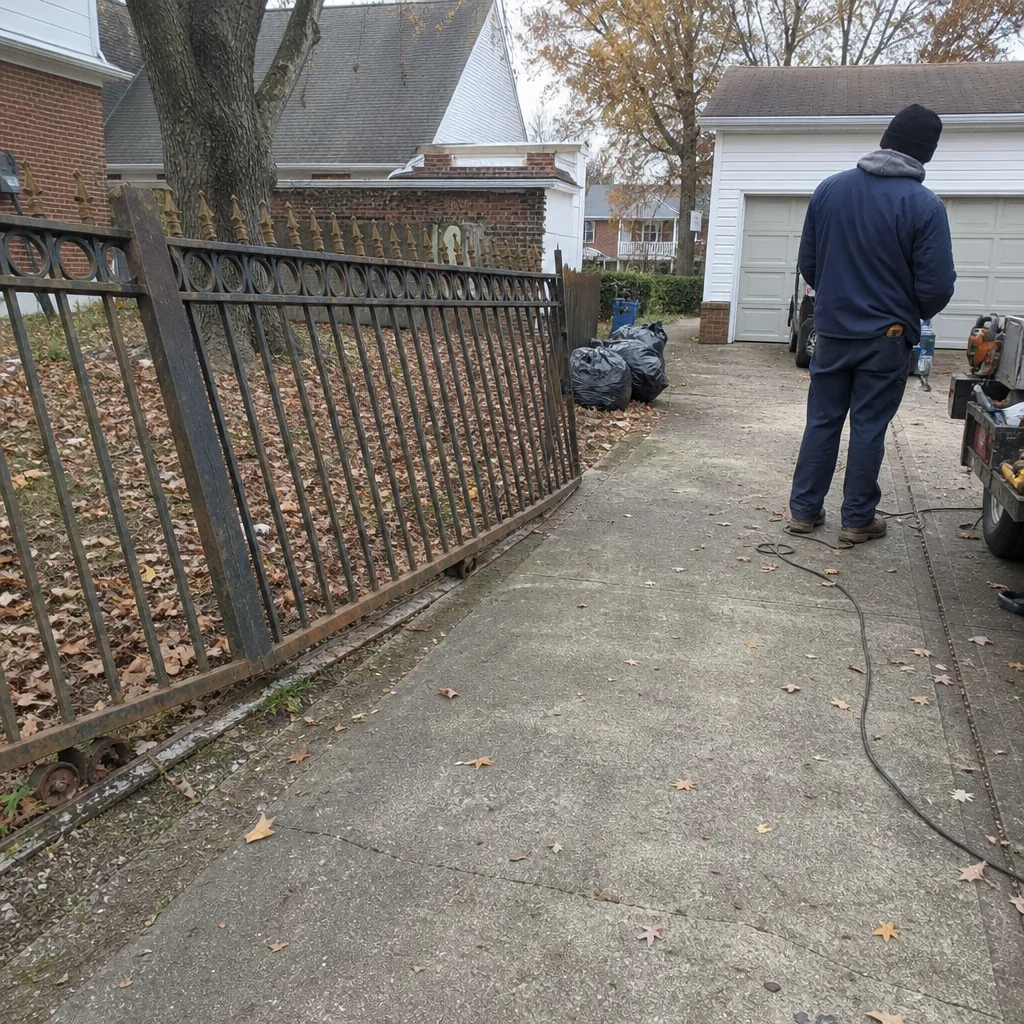 Before
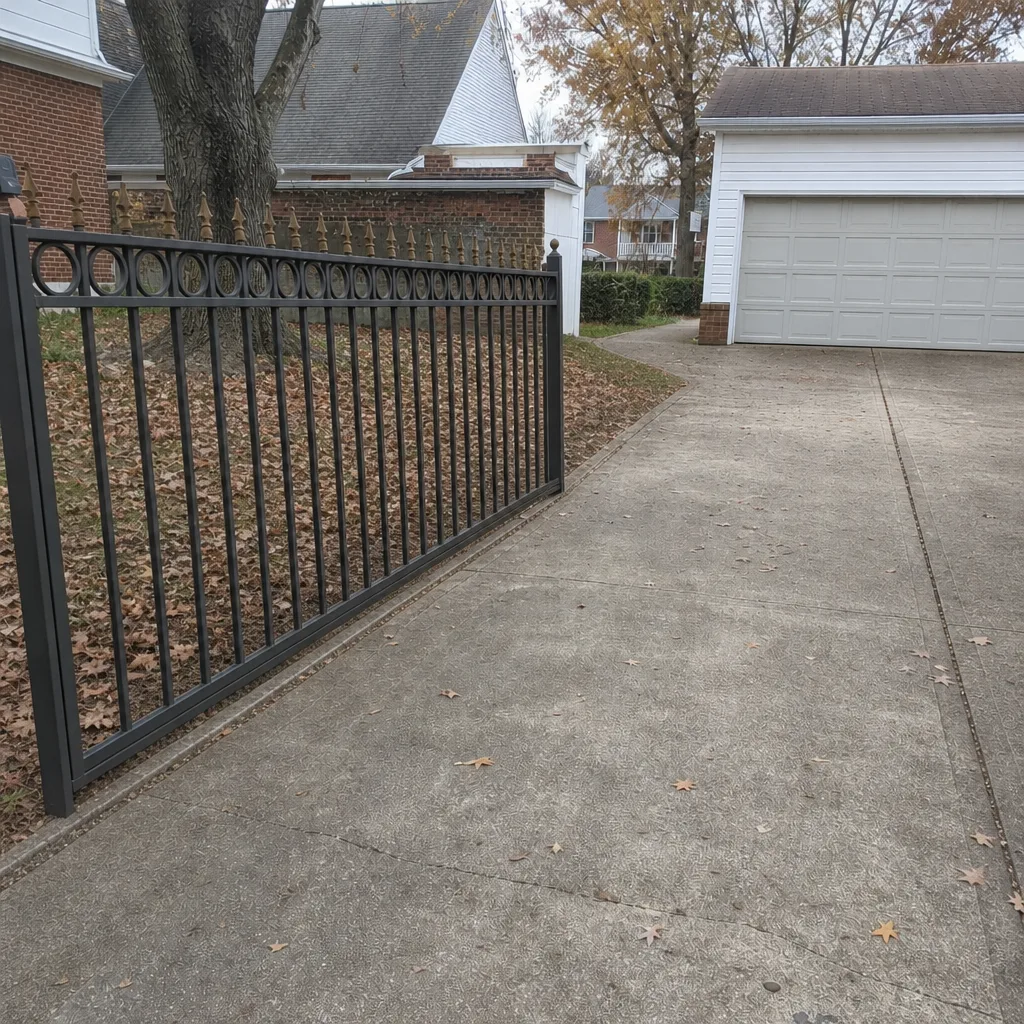 After
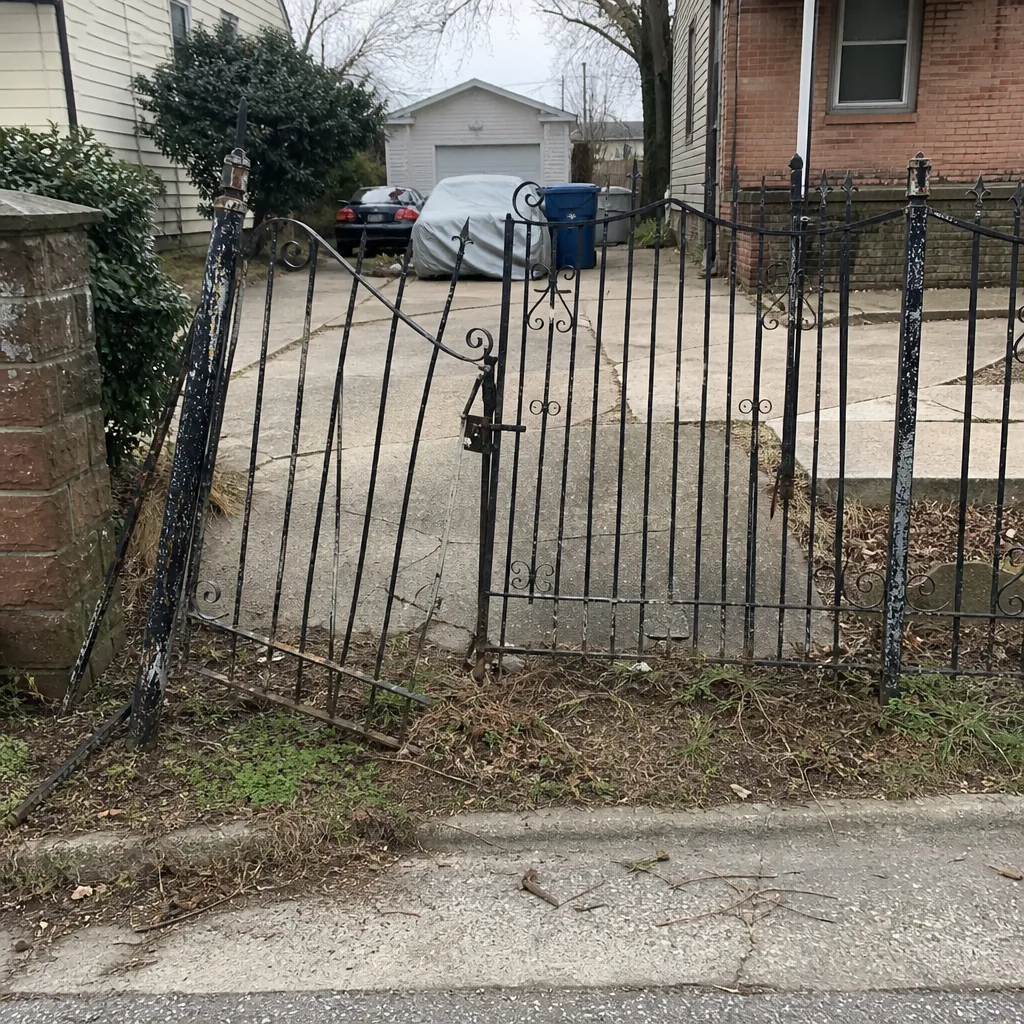 Before
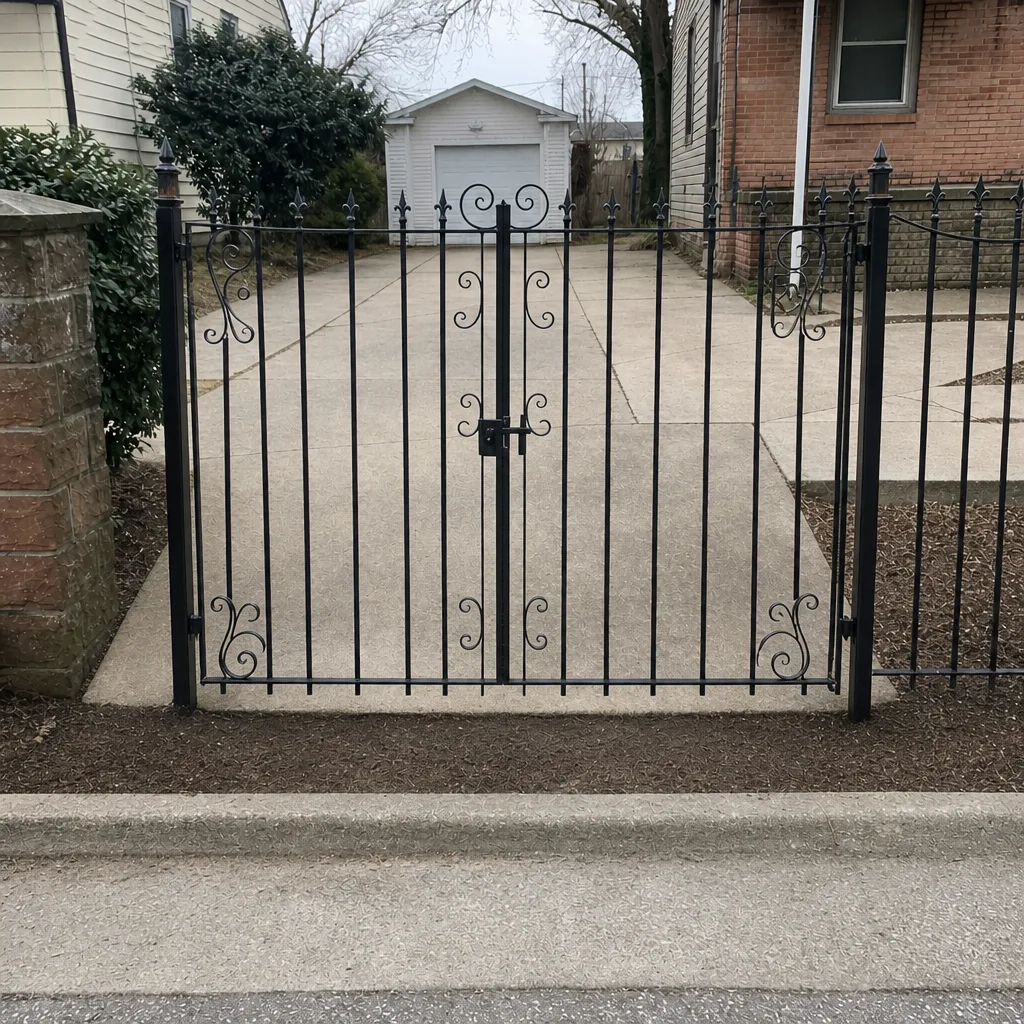 After
When to Call a Professional
Call a professional the same day if your gate reverses on its own, stops mid-travel, won’t close fully, or the operator makes a grinding, clicking, or humming noise without moving. Call immediately if an electric gate moves without command, or if the safety edge fails its test and the gate still runs. Those are the faults that can crush, pinch, or block a driveway. On a manual gate, call when the hinge or roller binds, the latch won’t engage, or the post has shifted. On an electric gate, call for anything involving the control board, loop detectors, access control, or the power feed. Low-voltage wiring and operator internals aren’t a homeowner project – a professional is warranted. Gate Repair Newport News offers free estimates in Newport News – call (866) 620-2654.
Frequently Asked Questions
Ask three questions: what brand of operator you have, what its common failure point is, and which local supplier carries its parts. A real specialist answers all three confidently. A generalist deflects, guesses, or promises to look it up. You can also ask whether gates are their only trade, which is a quick way to filter out fence companies and handymen.
Yes. Virginia requires contractor licenses through the Department of Professional and Occupational Regulation for work on residential or commercial property, and you can verify any contractor’s status on the DPOR site. Check the license tier – Class A, B, or C – matches the scope of the job. A license doesn’t tell you they know gates, but an unlicensed contractor is a hard stop.
A quote that prices the job before anyone has diagnosed the fault is a red flag, along with missing parts itemization, no scope for labor hours, and vague or verbal warranty terms. Also watch for quotes that leave off safety devices like loop detectors and safety edges. Ask for a written estimate that lists parts, labor, and warranty before you agree to any work.
A specialist diagnoses faster, orders the right part first, and finishes in fewer visits, so the total cost usually lands lower than a generalist’s even at a higher hourly rate. The math is labor hours plus wrong parts plus a second visit – not the headline rate. Ask for a written estimate that reflects the actual diagnosis and compare on total scope, not hourly rate.
A general contractor can handle some structural gate work, but the operator, control board, and access controls need someone who services them regularly. A specialist works with brands like LiftMaster, DoorKing, and FAAC as core competency. A generalist learning on your property means a likely second visit, so the safer call in Newport News is a gate-only specialist.
It depends on what’s failing. A control board, loop detector, operator motor, or safety edge can usually be replaced without touching the gate structure. A collapsing hinge, a bent slide track, or a shifted post may point to replacement. The answer comes from an on-site inspection, not a phone call. Call (866) 620-2654 for an exact quote – estimates are free.
Ask who measures the site, which operator brands are recommended for the gate’s weight and traffic, who handles the low-voltage electrical, and what the written estimate includes and excludes. Confirm whether removal of an old gate and post concrete work are in scope. Get warranty terms separately for the structure, operator, and installation labor.
Often, yes, for repair calls on systems we service. Call (866) 620-2654. We answer 24/7. Fast dispatch from 7am to 7pm, Sunday through Friday. A call outside dispatch hours is booked into the next opening. Installation work is measured, scheduled and quoted in writing, so new gate projects are scheduled rather than same-day.
The Bottom Line
Hiring a gate repair contractor in Newport News is really just three decisions. First, confirm they work on gates as a primary trade, not a side job. Second, verify the license on the Virginia DPOR site and match the tier to the job. Third, demand a written, itemized estimate before any work starts, with parts, labor scope, and warranty on the page. Everything else – the hourly rate, the lead time, the parts sourcing – is downstream of those three checks. Get them right and the job usually goes in one visit. Get them wrong and you’re spending the next few months watching the same gate fail again.
When you’re ready, call (866) 620-2654 for a free estimate. We’re the gate specialists for Gate Repair Newport News – repair, electric gate work, and new installation under one roof, with the brand range to recognize your system on arrival. Our technicians have up to 14 years of experience, and the price is quoted and agreed before any work starts. We answer 24/7. Fast dispatch from 7am to 7pm, Sunday through Friday, closed Saturday.
Written by the team at Gate Repair Newport News.