
Last updated November 15, 2026
 Wrought iron
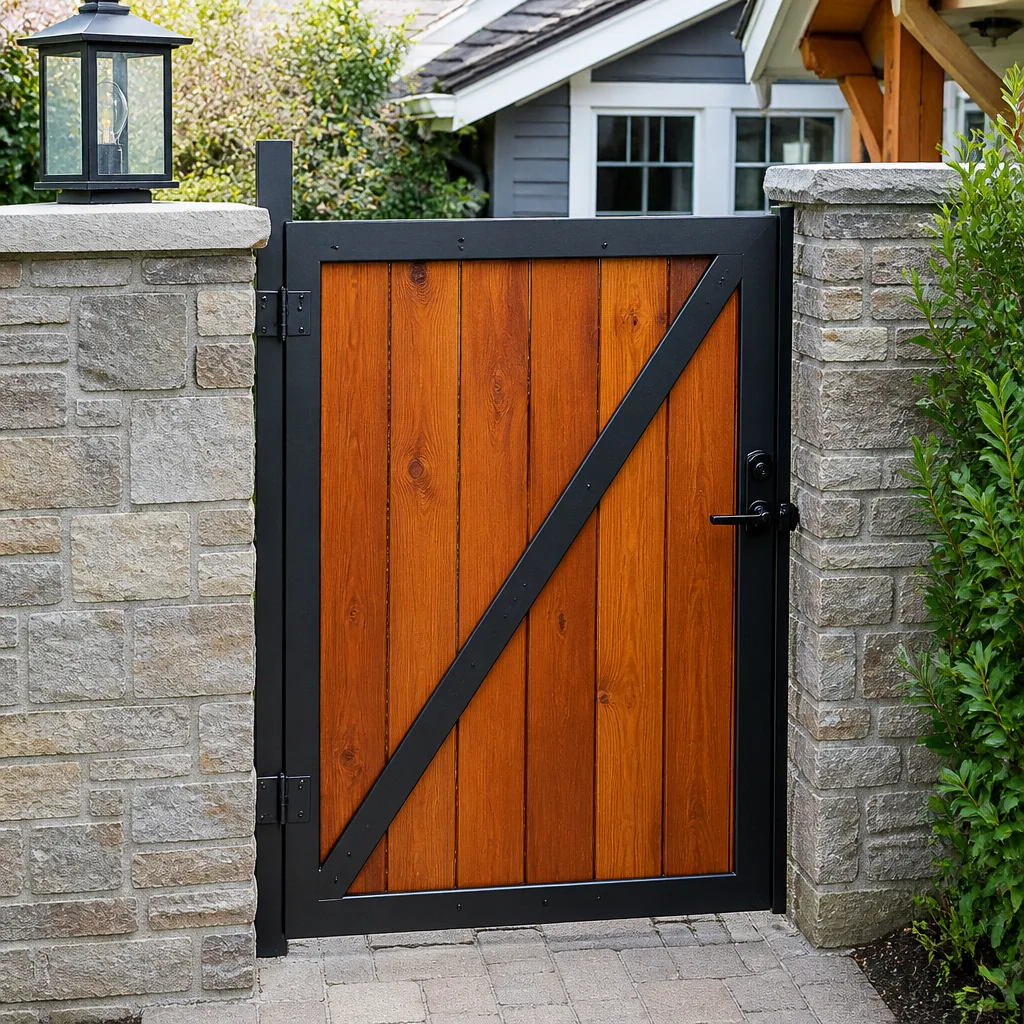 Wood & steel frame
 Farm & ranch
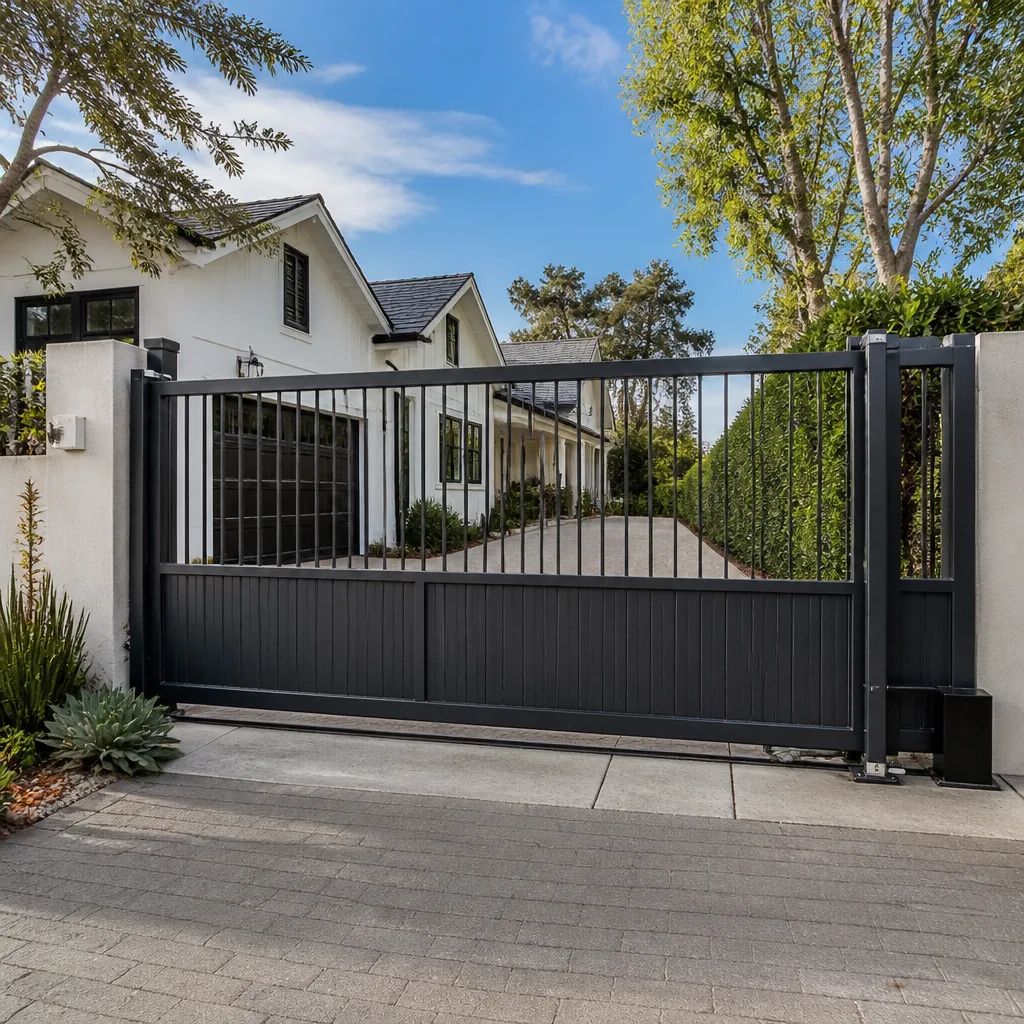 Sliding driveway gates
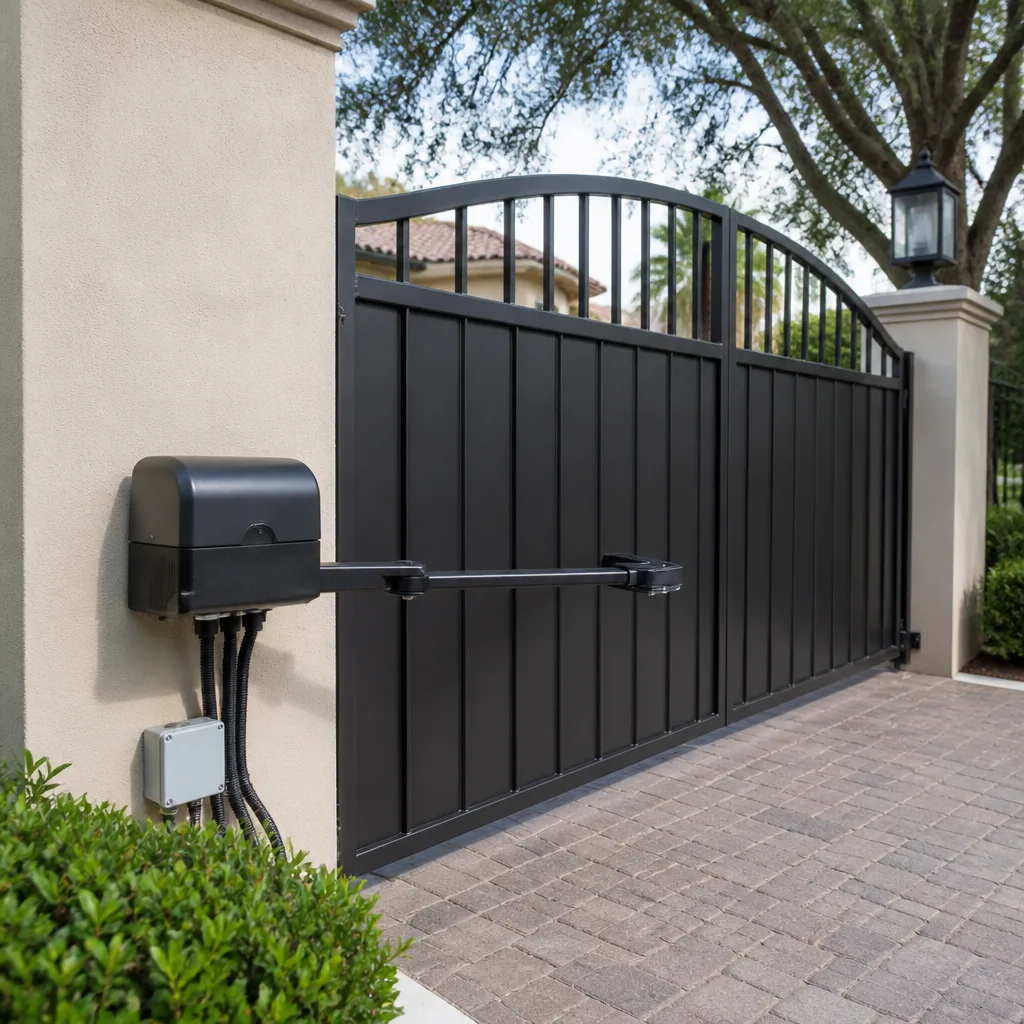 LiftMaster operators
Free on-site gate assessment - hinges, posts, and your LiftMaster or Nice gate operator checked before anything is quoted
The assessment is free and the quote is the invoice.
Get your free estimateSeasonal Gate Repair Care for Newport News: Year-Round Homeowner’s Guide
Most gate care advice assumes four mild, evenly spaced seasons. Newport News doesn’t work that way. What we actually get is two punishing stretches – a humid summer that runs straight into hurricane season, then a winter that swings above and below freezing for weeks – separated by two narrow windows where a few hours of maintenance prevents most of the year’s repairs. That 46 inches of annual rainfall, roughly 20% above the national average, is the quiet engine behind most gate problems here. It swells the clay subsoil, shifts concrete piers, and pushes swing gates out of alignment over months rather than days. This guide organizes gate care around Newport News’s real climate calendar, so you know what to check, when to check it, and when to stop and call a specialist.
Styles & brands we work with
- Wrought iron
- Wood & steel frame
- Farm & ranch
- Sliding driveway gates
- LiftMaster operators
Quick Answer
In Newport News, the best times to service a gate are late spring (May, before hurricane season) and fall (October through November, before the first freeze). Summer calls for heat-related track adjustments and operator travel-limit checks, while winter is when you protect keypads and hydraulic operators from freeze damage and avoid forcing a gate that has frozen shut. Following this two-window rhythm cuts reactive repairs dramatically compared with waiting for something to fail.
Table of Contents
- Why Newport News Gate Care Doesn’t Fit a Four-Season Template
- The May Pre-Hurricane Checklist
- Summer: Heat, Thermal Expansion, and Operator Limits
- Fall: The Structural Inspection Window
- Winter: Freeze Protection for Keypads and Hydraulic Operators
- When an Ice Storm Freezes Your Gate Shut
- When to Call a Professional
- Frequently Asked Questions
Why Newport News Gate Care Doesn’t Fit a Four-Season Template
Generic gate maintenance guides are written for climates with long, dry summers and slow, steady winters. Newport News sits in a different pattern: a humid subtropical stretch that produces intense summer thunderstorms and the Atlantic hurricane season from June through November, followed by a winter where temperatures hover near freezing and cross it repeatedly. That freeze-thaw cycling is the real culprit, not any single cold snap.
What happens underground matters most. The clay-heavy soil across much of the Peninsula holds water well. After heavy rain, that soil expands; as it dries and then freezes, it contracts and heaves. Concrete gate piers set into this soil move by fractions of an inch each cycle. Over one or two winters, a swing gate that closes cleanly starts dragging at the latch. No dramatic event, just slow misalignment. Homeowners notice it as an annoyance before they recognize it as a structural problem.
Above ground, humidity does its own work. Steel hardware, hinges, chains, and the internal mechanisms of older operators all collect moisture that never fully dries in July and August. The result is corrosion that accelerates during the very months when the gate gets the most use.
So the calendar here has two hard seasons and two working windows:
- Hurricane prep window: May. Get everything tight before storm season.
- Summer (June through September): Manage heat expansion and storm damage.
- Structural window: October and November. Inspect and repair before freeze cycles.
- Winter (December through February): Protect against freeze damage, then recover.
The rest of this guide walks through each one. If you want a single page to bookmark for general service questions, our Gate Repair Newport News page covers everything in one place.
The May Pre-Hurricane Checklist
Hurricane season starts June 1, which makes May the single most valuable maintenance month for a Newport News gate. The goal isn’t just to keep the gate working through a storm; it’s to make sure the gate itself doesn’t become a projectile or trap a vehicle when the power goes out.
Work through this in order:
- Load-test the operator battery. Most residential operators, including the LiftMaster and Mighty Mule units we service across Newport News, use a backup battery to run the gate during an outage. A battery that reads fine on a meter can still fail under load. Load testing shows the real capacity before you need it.
- Verify the manual release. Every automatic gate has a manual release. Test it: disconnect the operator, push the gate by hand, confirm the gate swings or slides freely, then re-engage. If the release is stiff, stuck, or the gate barely moves by hand, fix it before storm season, not during it.
- Secure decorative elements. Loose finials, ornamental caps, gate-mounted signs, and lightweight panels can lift off in hurricane-force wind. If it moves when you push it by hand, it will move in a storm.
- Check the operator enclosure. Control boxes and housings should seal properly. A control board full of wind-driven rain is a common post-storm failure, and it’s one of the most frequent calls we get for electric gate repair once the weather clears.
- Test the safety sensors. If your gate has loop detectors or photo-eye sensors, trigger them by hand and confirm the gate reverses as it should. Storm debris can block a sensor path and leave a gate that won’t close after the storm.
- Clear the drainage path. Water pooling at the gate base softens the soil around piers faster than anything else. Make sure the ground drains away from the gate posts, not toward them.
Most of this is a half-day job for a technician and a couple of hours for a careful homeowner. If any step fails, you have a month to fix it. After June 1, you don’t.
Summer: Heat, Thermal Expansion, and Operator Limits
Summer in Newport News does two things to a gate: it makes metal expand, and it makes storms frequent. Both show up as the same symptom: a slide gate that won’t fully close, or a swing gate that stops short of the latch.
Slide gate tracks on a typical residential install run 12 to 20 feet or more. On a hot afternoon, steel track can grow by several millimeters. That doesn’t sound like much until you realize the operator’s limit switches are set to a fixed travel distance. The gate hits the new endpoint, the controller reads it as an obstruction, and the gate stops or reverses.
What to do in summer:
- Re-calibrate travel limits. After the first sustained heat wave, a technician should re-set the open and close limits on the operator. On brands like DoorKing, Elite, and LiftMaster, this is a menu adjustment, not a parts replacement. Some controllers auto-learn; many don’t.
- Check rail alignment. Expansion and contraction can bind the guide rollers slightly. A gate that groans or hesitates halfway through its travel needs the track and rollers checked before the load wears out the motor.
- Watch for the early storm damage. Summer thunderstorms drop limbs. A gate that suddenly drags or stops after a storm has probably been hit, or had debris fall into the track. Check it before assuming the operator has failed.
- Keep fresh air moving around the control box. Enclosed operators can overheat mid-day, causing nuisance faults. Adequate shade and clearance help, but if an operator trips only on hot afternoons, that’s a real fault pattern worth diagnosing.
Tip: after any major heat wave or summer storm passes through Newport News, run the gate full-cycle twice by hand or with the remote before assuming everything is fine. Two cycles surface most heat and impact problems.
Fall: The Structural Inspection Window
October and November are the months that pay for themselves. Once the summer storms have passed and the ground is still warm but drying, you get the clearest look at what the year’s moisture has actually done to your gate’s foundation. This is the window before freeze cycles begin, which is critical because winter is when pier movement accelerates.
What a fall inspection should cover:
- Check the concrete piers. Look for cracks, settling, or visible tilt. A pier that has moved even slightly will pull the gate out of alignment. Once freeze season starts, any existing crack grows. Repairing in October is far cheaper than repairing in March after a full winter of movement.
- Check the gate posts for rust. Steel posts fail from the inside out. Surface rust is cosmetic; rust at the base, where soil moisture lingers, is structural. Probe the base with a screwdriver to see how far it’s gone.
- Inspect the operator wiring. Wires exposed to summer sun can crack insulation. Before winter rain, verify that all wiring into the control box is sealed and that no connector is exposed.
- Test all sensors and safety edges. Damp fall weather can fog photo-eyes and delay sensor response. Clean lenses and retest.
- Lubricate hinges, rollers, and chains. Use a lubricant suited to the outdoor climate here. A dry-summer lubricant can wash away in the first rain; a heavy winter grease can attract grit. Ask a technician what your gate’s function actually needs before applying anything.
- Plan the winter response. If your gate has hydraulic operators (FAAC hydraulic units are common on sliding gates), now’s the time to verify the fluid is rated for sub-32°F operation. More on that below.
This is the inspection you should not skip. If the fall inspection is clean, winter usually passes without drama. If it’s not, you find out in December when the gate won’t open.
Winter: Freeze Protection for Keypads and Hydraulic Operators
Newport News winters are mild in absolute terms but unforgiving in how frequently they cross the freezing line. A gate may see 20 freeze-thaw cycles across a single season. That’s a much more demanding regime than a place that simply gets cold once and stays there.
Why freeze-thaw is harder than sustained cold
Sustained cold has a stabilizing effect – the ground freezes solid and stays put. Freeze-thaw is the opposite. Each cycle forces moisture into a crack, freezes it, expands, and then thaws. Repeated dozens of times over a winter, this works loose concrete piers, spreads cracks in the gate structure, and works hardware free of its anchors.
Keypad and entry-system protection
- Check the keypad’s seals. Entry keypads are usually weather-rated but not weatherproof forever. Moisture that gets inside a keypad freezes and can crack the circuit board. Inspect the gasket and confirm the keypad housing drains.
- Watch for condensation on the access card reader. If your property uses DoorKing or Elite access-control hardware, condensation inside the reader is a common winter nuisance. A technician can check the housing seal.
- Never pour salt water on the keypad. Sounds obvious, but de-icing salt tracked onto entry pads corrodes the contacts quickly. Keep the pad area clear of salt, and clean with a damp cloth if salt has settled.
Hydraulic operator fluid
Hydraulic operators require fluid with a viscosity rating appropriate to the temperature range the equipment will encounter. FAAC hydraulic units, for example, are commonly supplied with fluid rated to a specific minimum temperature. If the fluid is too thick for the cold, the pump strains to move it, slowing the gate and eventually damaging the motor. If you have a hydraulic operator and it gets sluggish in January, the fluid is often the answer. A technician can check the rating and the fill level in one visit.
Mechanical checks that matter in winter
- Confirm the manual release still works. Freezing temperatures can stiffen the release mechanism. Test it before the coldest weeks.
- Keep the gate path clear of standing water. Water that pools at the gate base will freeze into a step the gate has to climb, which strains the operator every cycle.
- Watch for ice buildup in the track. Slide gate tracks can fill with frozen slush. Clear any ice before running the operational cycle, not after.
If you want the same technician who installs your gate to service it through the winter, that’s the model we work by – one team, one brand range, one point of contact.
When an Ice Storm Freezes Your Gate Shut
Newport News occasionally gets an ice storm. It’s not a sustained freeze climate like the mountain West, where winter is weeks of continuous cold. Our ice events are shorter, sharper, and usually followed by a warm-up within a day or two. This pattern affects the repair strategy.
What to do when the gate freezes shut
- Turn the operator off at the power switch, not just the remote. Any operator responding to a call while the gate is frozen is doing damage it can’t undo – stripping gears, burning a motor, or warping a track.
- Check whether the gate is frozen or broken. A gate frozen shut will not move under hand pressure, or moves with chattering along the gate’s surface. A gate stuck from mechanical failure usually has some small amount of free play. If the gate won’t budge at all under hand force, suspect ice.
- Wait for the thaw. In Newport News, most ice events clear within a day or two. Forcing the gate by hand, or running the operator repeatedly, is the way most home and business gates get seriously damaged during an ice storm.
- Use warm water, not a hammer. A gentle pour of warm water along the frozen track or hinge is safe. A hammer, ice pick, or screwdriver against the gate or operator mechanism is not.
- After the thaw, run a full hand-cycle first. Before turning the operator back on, disconnect it, push the gate full-cycle by hand, and confirm smooth motion. Then reconnect and test with the operator.
Why this matters specifically here
In a sustained freeze climate, gates tend to stay frozen and the repair cycle is predictable. In Newport News, a gate that ices up Tuesday is running by Thursday, and the freeze-thaw action has already done a small amount of harm to the pier, the track, or the operator’s limit settings. That’s why the fall structural inspection is so valuable – it’s the only reliable way to catch the harm before it accumulates across several winters.
If an ice storm has left your gate slow, sluggish, or misaligned, that’s a winter call worth making sooner than later. The longer a gate runs out of alignment, the more wear it puts on the operator’s motor and gears.
Common Mistakes to Avoid
- Treating gate care as a four-season routine. The generic spring/summer/fall/winter checklist was written for a different climate. In Newport News, the two critical inspection windows are May (pre-hurricane) and October-November (pre-freeze), and skipping either one costs real money.
- Forcing the gate by hand when it won’t move. Whether the gate is frozen, obstructed, or limping on a failing motor, hand-forcing it against resistance is how operators get destroyed. If the gate won’t move under moderate hand pressure, stop.
- Ignoring pier cracks in fall. A hairline crack in a concrete gate pier in November is a full pier rebuild by February after a winter of heave. Fix it before the freeze cycle, not after.
- Running the operator during a power flicker. Summer storms and brief outages in the region are common. A gate that’s been interrupted mid-cycle can end up with its travel limits reset to the wrong position. After any power event, run a full manual cycle before trusting the automatic mode.
- Using a generic lubricant on everything. Gate hardware has different needs on hinges, tracks, chains, and operator mechanisms. A lubricant that works on a track can gum up the control board enclosure or attract grit onto the chain. Match lubricant to component.
- Assuming a new gate post is maintenance-free. New posts still sit in the same clay soil that heaves every winter. The first eighteen months are when you set the maintenance pattern – skip them and you inherit the same problems the previous gate had.
- Forgetting the keypad. Winter freeze-thaw is hard on any entry system, especially access pad hardware. A single winter’s condensation inside a keypad can add a repair to spring. Check the seals once a year.
When to Call a Professional
Some seasonal gate tasks are well within reach for a homeowner: visual inspection, cleaning, checking the keypad seal, and clearing standing water or ice. Others are not.
Call a technician when any of these show up:
- The gate won’t move under hand force, whether from ice, obstruction, or a failing operator.
- A concrete pier shows cracks, tilt, or visible movement.
- The operator’s control board has responded to a storm with repeated fault codes.
- Access control hardware (keypad, card reader, loop detector) has stopped responding.
- The gate drags, groans, or reverses intermittently and the cause isn’t obvious debris.
- You’ve had a hydraulic operator that’s become sluggish in cold weather and you’re not sure of its fluid rating.
- An existing gate has gone out of alignment after a winter and the piers need assessment.
The high-voltage wiring inside a gate operator and the power run to an entry system are not a homeowner job. Work with a trained professional for anything touching the electrical side of the system.
Gate Repair Newport News offers free estimates in Newport News – call (866) 620-2654. We answer 24/7. Fast dispatch from 7am to 7pm.
Frequently Asked Questions
Twice a year works best: once in May (before hurricane season) and once in October or November (before the first freeze). Between those two visits, do a monthly walk-around to check for visible damage, standing water, and any change in how the gate moves. Gates on busy commercial properties may benefit from an extra check mid-summer after the peak thunderstorm period. Call (866) 620-2654 to schedule a free estimate.
The main cause here is clay soil moving under the gate piers through wet-dry and freeze-thaw cycles. Newport News gets roughly 46 inches of rain annually – about 20% above the national average – which keeps that soil moving. Over several years the piers shift slightly, the gate follows, and eventually the latch, track, or slide rollers stop working properly. Catching it during the fall inspection is the most cost-effective fix.
You can safely clear ice with warm water and wait for the thaw. You should not force the gate by hand or run the operator repeatedly trying to break it free. The safe steps are: turn the operator off at power, wait for the thaw, pour warm water along the frozen track or hinge, and hand-cycle the gate fully before turning the operator back on. If the gate still won’t move after the thaw, that’s a repair call.
We service nine major operator brands: LiftMaster, FAAC, BFT, Linear, Viking, Ghost Controls, DoorKing, Elite, and Mighty Mule. That range covers most residential systems and a lot of the lighter commercial operators, so you don’t have to hunt for a brand-specific dealer if your gate is running an older or less common system. For an exact diagnosis, call (866) 620-2654.
No. If a hurricane or tropical storm warning is active for Newport News, turn the operator off, secure any loose decorative elements, and leave the gate closed and locked. Running an operator in high wind risks damage to the gate panels and the operator’s gears. After the storm passes, hand-cycle the gate first, check for debris in the track, and only then re-engage the operator.
What’s the difference between a seasonal tune-up and a full gate repair?
A seasonal tune-up covers inspection, adjustment, lubrication, battery load testing, and minor component checks – roughly a couple of hours of work. A full repair is any job that requires replacing parts: piers, operator components, control boards, sensors, or gate structural pieces. Some seasonal checks turn into repairs when the inspection reveals an issue. The estimate sets the price either way before any work begins.
The Bottom Line
Newport News weather is not four seasons of equal stress. It’s a humid summer under hurricane threat, followed by a winter of repeated freeze-thaw cycles. Everything in between is preparation.
The two windows that matter most are May (before hurricane season) and October-November (before the first freeze). If you keep those inspections on the calendar, do the summer travel-limit and track checks, and protect keypads and hydraulic operators from winter cold, you skip most of the costly reactive repairs we see across Newport News.
If you’re not sure where to start, call (866) 620-2654 for a free estimate. We answer 24/7. Fast dispatch from 7am to 7pm, Sunday through Friday.
Written by the team at Gate Repair Newport News.
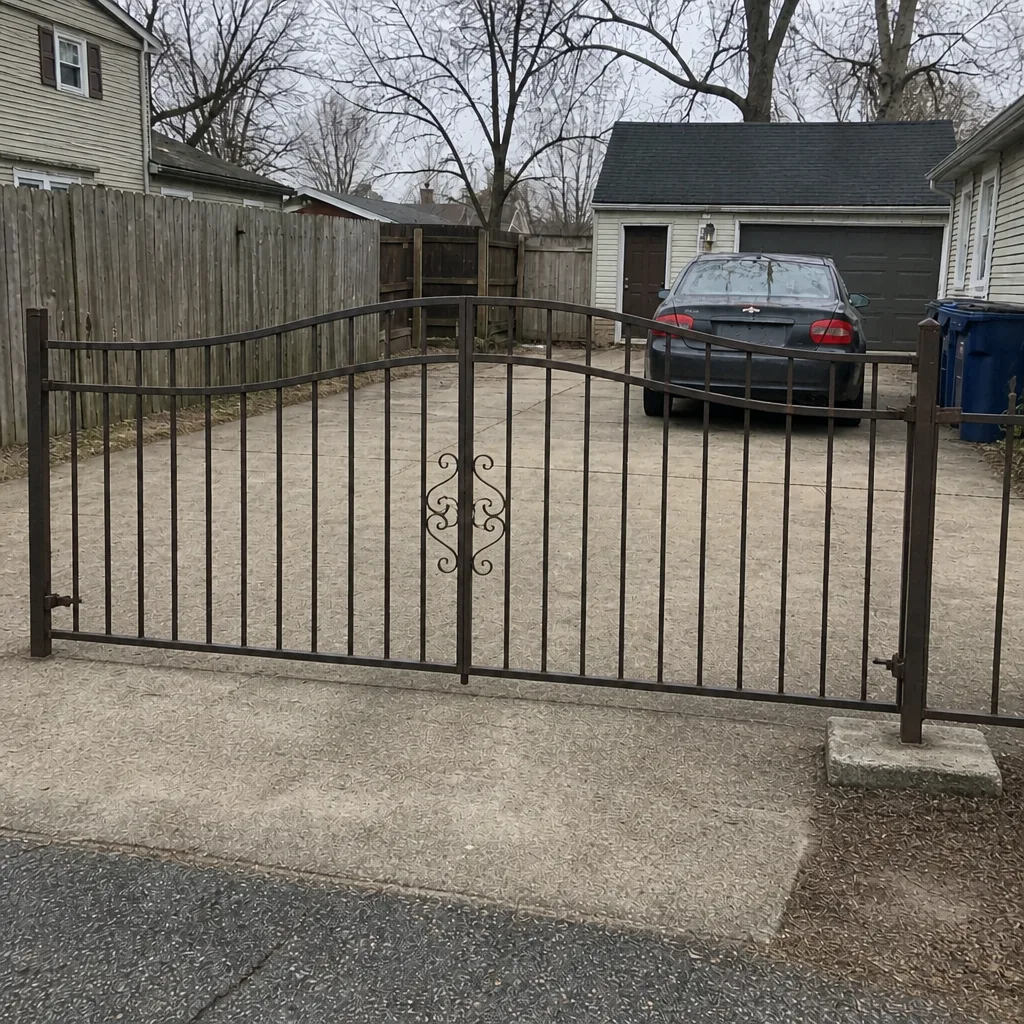
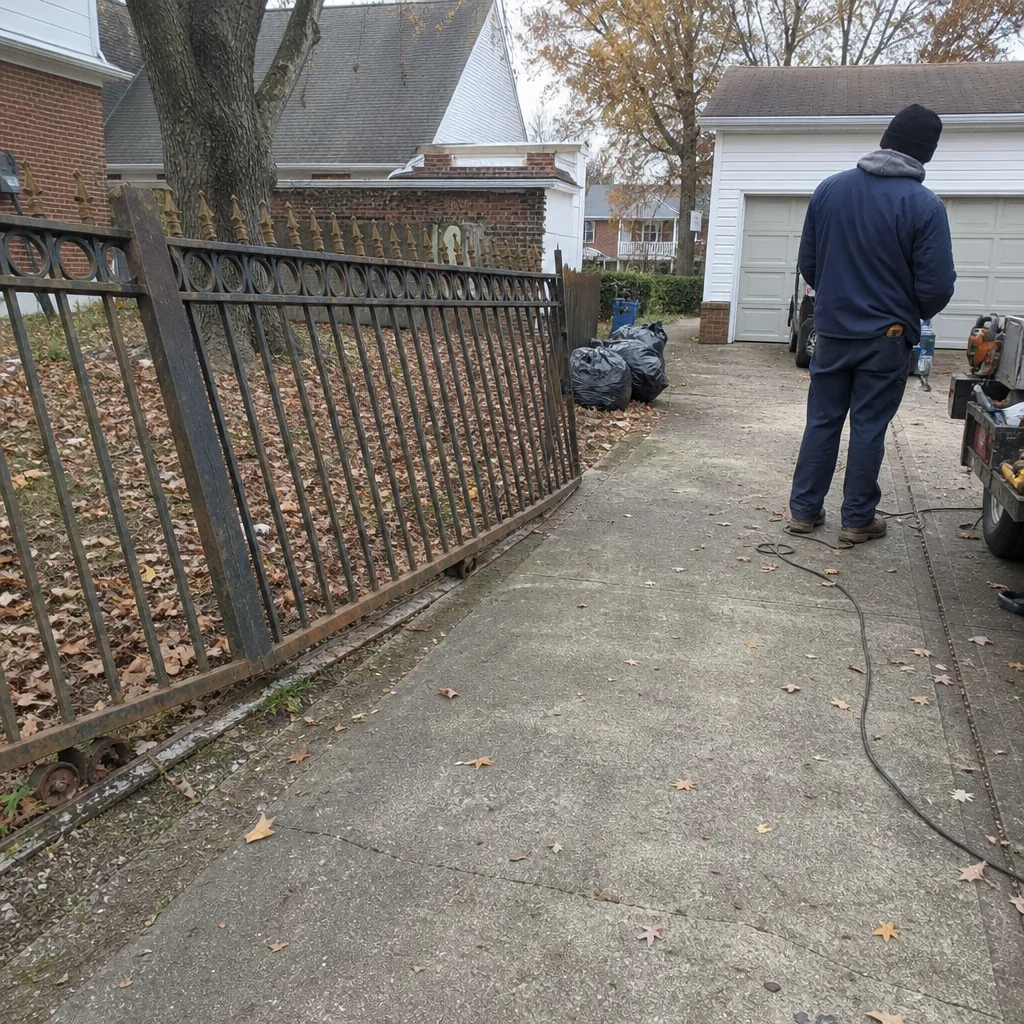
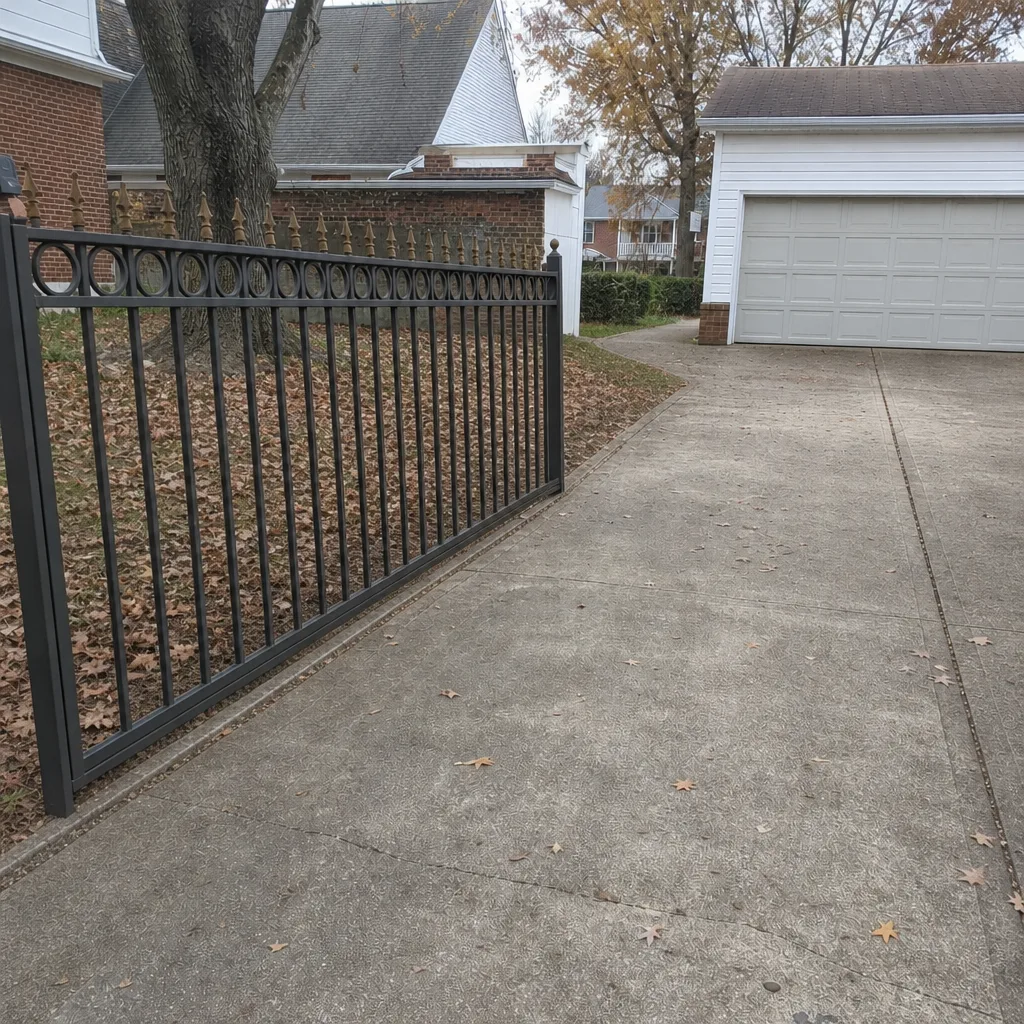
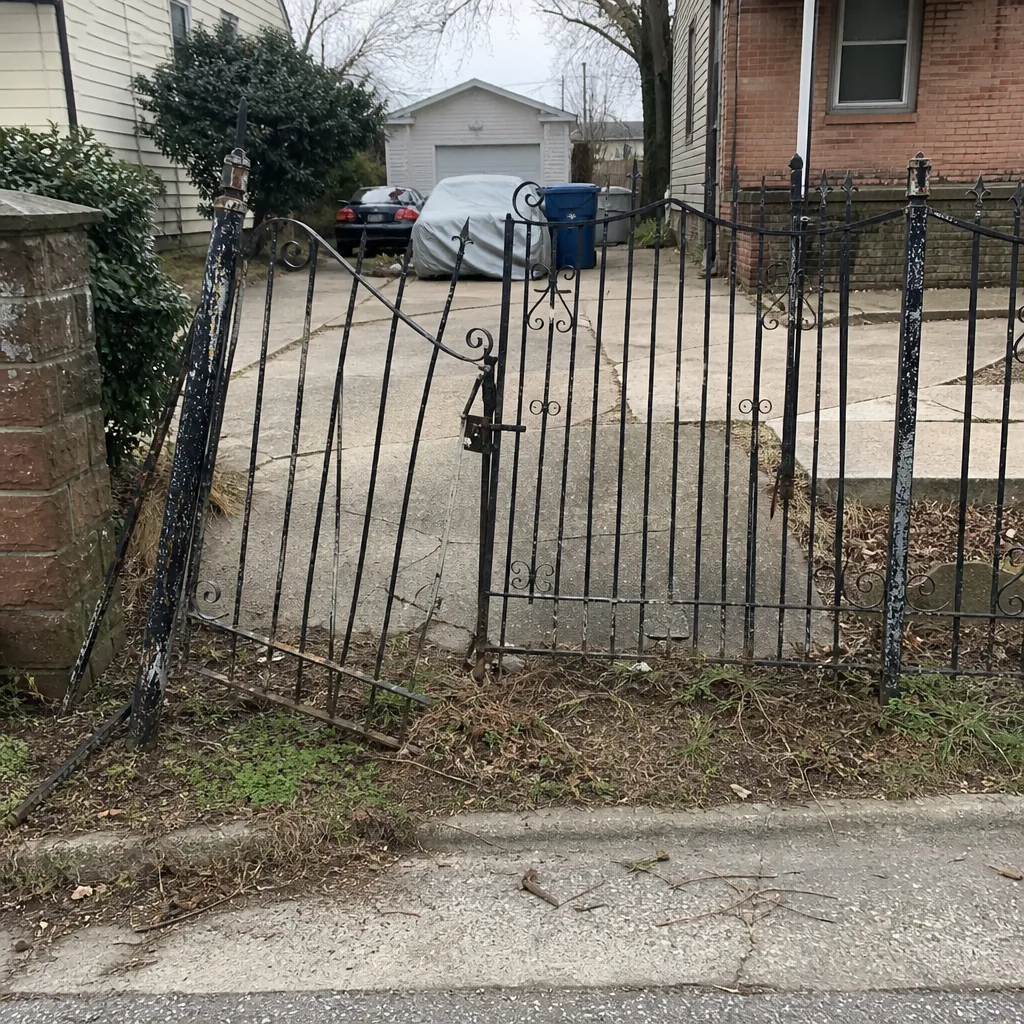
See the difference
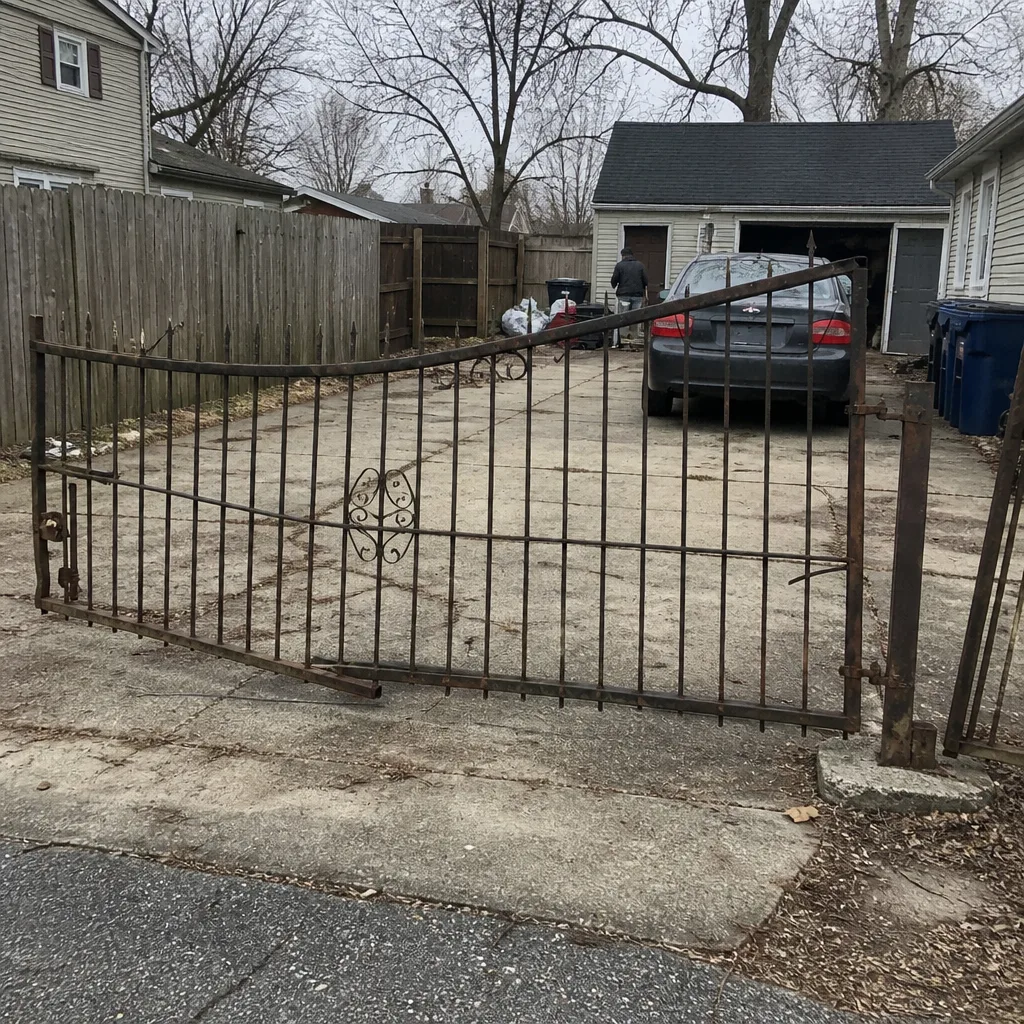 Before
 After
 Before
 After
 Before
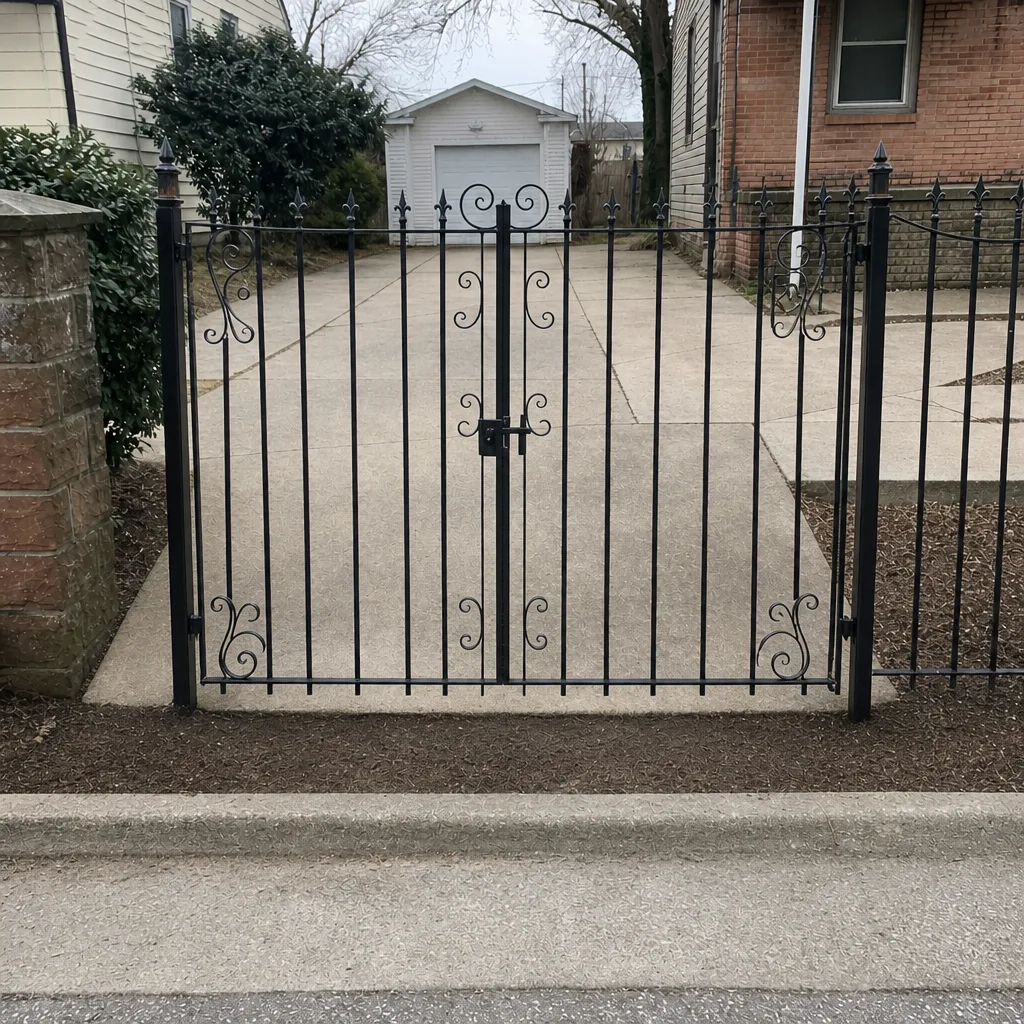 After